Biography of Henry Ford
Henry Ford is one of the most recognized figures in modern history, remembered for his innovations in automobiles and for transforming the global industry. Any Henry Ford biography highlights his extraordinary journey from a Michigan farm boy to the founder of the Ford Motor Company, a business that would alter transportation and society forever. His legacy stretches beyond simple Henry Ford facts—it is about a man who reshaped how people lived, worked, and connected in the 20th century.
Born in 1863, Ford grew up in a rural setting, surrounded by farm life and mechanical curiosity. Instead of following the traditional farming path, he nurtured a deep fascination with machines, engines, and practical invention. Ford’s mechanical skills, combined with curiosity, fueled his ambitions on a quest for new knowledge. Some of his early experiments with watches and engines gave him the confidence to take on larger projects. His passion for tinkering eventually led him to the development of Henry Ford automobiles. An invention that would change and shape the world.
The most notable aspect of his Henry Ford accomplishments was his introduction of the moving assembly line, a Henry Ford invention that not only cut costs but also revolutionized industrial production. By bringing efficient, affordable cars like the Model T into the hands of average Americans, Ford reshaped society, democratized personal transportation, and influenced nearly every industry that followed.
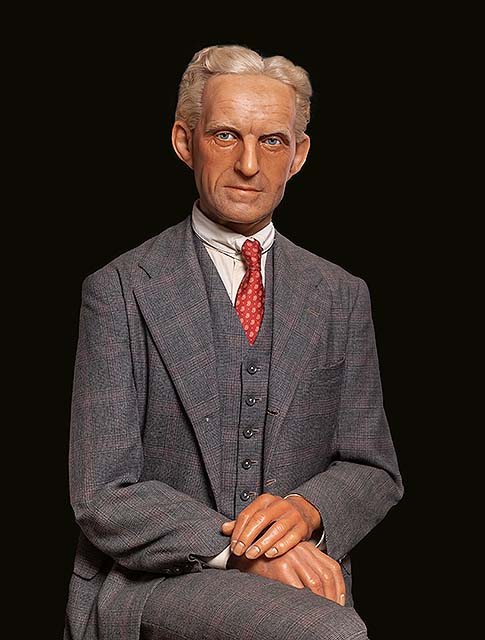
Even today, Ford Motor Company continues to embody his legacy. When visitors explore the St. Augustine Museum or the Potter’s Wax Museum, they can encounter exhibits dedicated to Ford. His impact expands outside of history books. Ford’s imprint is left on every highway road and town that depends on automobiles to provide transportation.
DID YOU KNOW?
Ford introduced the moving assembly line, not only cutting costs but also revolutionizing industrial production.
This Henry Ford biography reflects a man of contradictions — an innovator who made cars affordable to millions, but also a man whose complex personal views sometimes cast shadows over his achievements. Still, his enduring legacy ensures that when we discuss industrialization, modernity, and innovation, Henry Ford remains front and center.
Early Life of Henry Ford
Henry Ford was born on July 30, 1863, in Greenfield Township, Michigan. Ford was the oldest of six children. He grew up with his siblings in a hardworking, farming household. Despite his roots, Ford had no interest in continuing his family’s farming business. At a young age, Ford demonstrated a fascination with machinery – beginning with a small watch repair business in his community. He also continued his tinkering with small engines, taking them apart and placing them back together, in order to further understand their functions and utility.
While his family expected him to inherit and manage the farm, Ford’s passion led him elsewhere. At the age 16, Ford left the farm and headed for Detroit, Michigan. This is where he apprenticed as a machinist. In these early, formative years, Ford was exposed to various mechanical shops and factories, sharpening his skills and deepening his ambition. Unlike many of his peers, Ford viewed machines not as novelties, but as tools of social progress. This was just the beginning of his course to make history.
His personal life was relatively modest in these early years. In 1888, he married Clara Bryant, and together they had one son, Edsel Ford. Clara’s support proved vital to his pursuits, giving him the stability to experiment with engines and designs. Ford’s determination and marriage laid the foundation for what would become his global influence.
Fun Facts About Henry Ford
1. Henry Ford automobiles became symbols of freedom and progress, especially the Model T, which sold over 15 million units.
2. One of the most well-known Henry Ford facts is that he doubled workers’ wages to $5 a day in 1914—an unprecedented move that reduced turnover and created a stable workforce.
3. Henry Ford’s development of the moving assembly line revolutionized the standard for industrial production across the country and globe.
4. Ford was passionate about preserving history and opened The Henry Ford Museum in Dearborn, Michigan. Today, visitors can learn about Henry Ford’s accomplishments through interactive exhibitions.
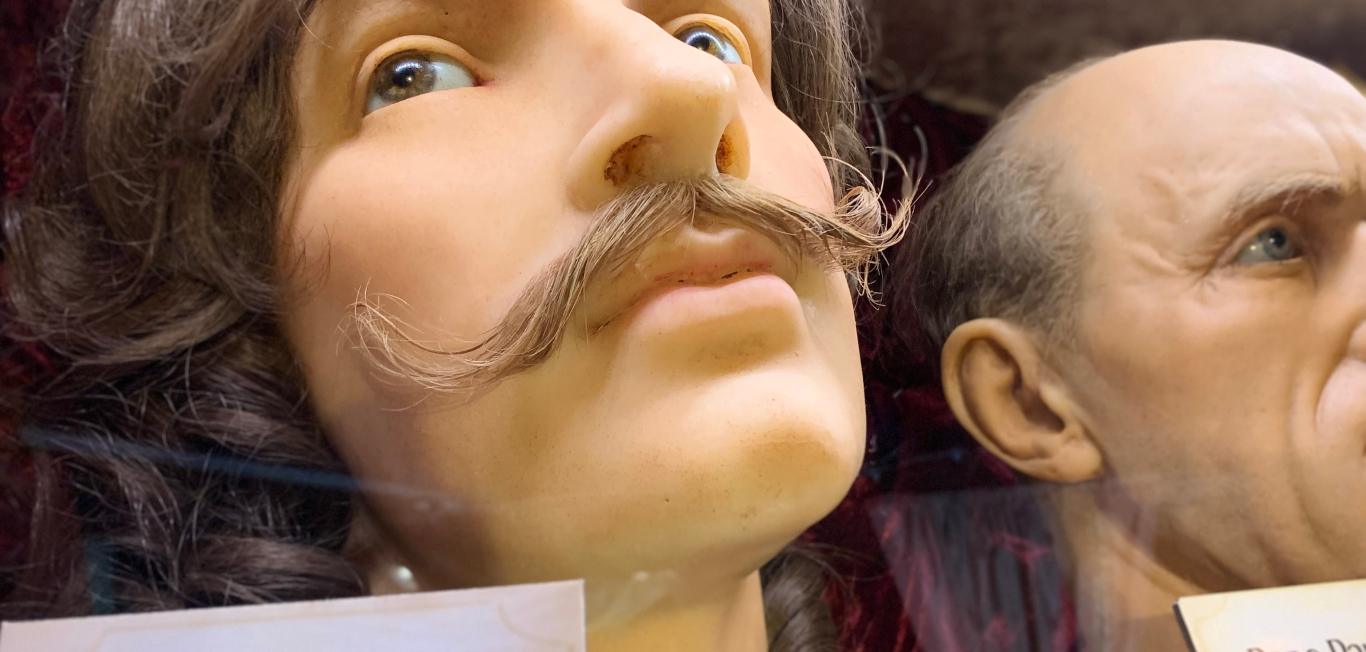
5. His wax figure is on display at the Potter’s Wax Museum in St. Augustine, Florida, and he is referenced in the St. Augustine Museum, linking his global influence to local American culture.
6. Despite his enormous success, Ford faced criticism for controversial personal beliefs and writings, which remain a debated part of his personal history.
7. In 1918, Ford ran for U.S. Senate in Michigan. He was not elected.
Milestones and Accomplishments by Henry Ford
The list of Henry Ford accomplishments is extensive, but certain achievements stand above the rest:
Ford Motor Company: In 1903, Ford founded the company that made his name a legacy. In comparison to other luxury automakers of his time, Ford’s vision was to create vehicles that were attainable for the masses. His dreams created a reality where the Henry Ford automobiles became a household name.
DID YOU KNOW?
In 1903, Ford founded the company that made his name a legacy and a household name.
Model T: Introduced in 1908, the Model T remains one of the most influential cars in history. It was sturdy, efficient, and affordable, embodying the promise of mobility for everyday Americans. Its widespread popularity cemented Ford’s reputation as an innovator.
Moving Assembly Line: Perhaps the most famous Henry Ford invention, this method revolutionized production. By 1913, the moving assembly line reduced the time to build a car from 12 hours to just 90 minutes. This leap in efficiency forever changed industrial manufacturing.
Wage Increases & Labor Innovations: In 1914, Ford introduced the “$5 workday,” doubling the average wage. This policy boosted loyalty, reduced turnover, and allowed employees to afford the very cars they built. It remains one of the most important Henry Ford facts in labor history.
Philanthropy & Museums: Ford dedicated resources to historical preservation. His creation of The Henry Ford Museum allowed visitors to engage with innovation firsthand. The influence even extends into Florida, where the St. Augustine Museum and Potter’s Wax Museum feature him as a figure of cultural memory.
Through these efforts, Ford secured his place not only as an industrial leader but also as a symbol of innovation, efficiency, and progress.
Late in Life
As Ford grew older, his control over Ford Motor Company shifted. His son Edsel played a larger role in operations until his death in 1943, after which Henry briefly reassumed leadership. However, by then, age and health issues limited his involvement.
In his later years, Ford focused heavily on The Henry Ford Museum and his legacy projects. These institutions reflected his lifelong passion for history and innovation. Despite criticism of his personal views, his influence on society was undeniable.
Henry Ford passed away on April 7, 1947, at the age of 83. His death marked the end of an era but left behind one of the strongest industrial legacies in the modern world.
FAQs
What was Henry Ford known for?
Henry Ford was known for founding the Ford Motor Company, creating the Model T, and pioneering the moving assembly line. His Henry Ford accomplishments made cars affordable for the average American and reshaped the global industry.
When did Henry Ford die?
Henry Ford died on April 7, 1947, in Dearborn, Michigan. His passing marked the close of a life that fundamentally transformed industry and transportation.
How did Henry Ford die?
Henry Ford died of a cerebral hemorrhage at age 83. His death came after years of reduced activity in his company, as he had already passed the leadership to the next generation.
Where was Henry Ford born?
Henry Ford was born on July 30, 1863, in Greenfield Township, Michigan. His rural upbringing shaped his work ethic but did not diminish his fascination with machinery and invention.
What did Henry Ford invent?
While not the inventor of the automobile, Henry Ford is credited with the Henry Ford invention of the moving assembly line, which revolutionized manufacturing. This system became one of his defining contributions to modern industry.