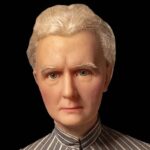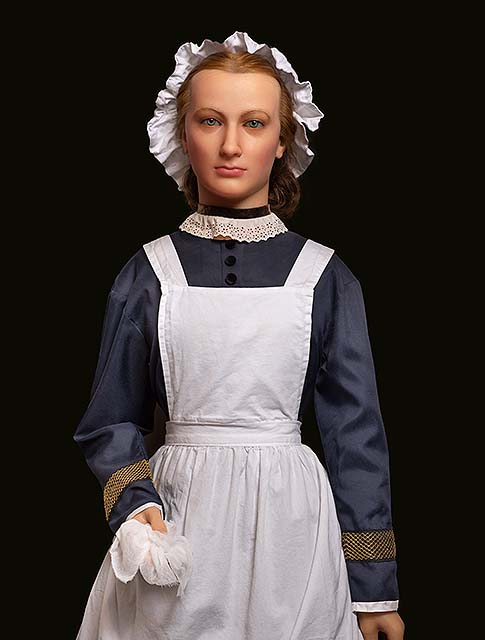
Florence Nightingale is known as the founder of modern nursing. She was born on May 12, 1820, in Florence, Italy. Nightingale dedicated her life to improving medical care, hospital conditions, and public health practices.
Florence Nightingale became internationally famous for her work during the Crimean War (1853–1856) and she organized the care of wounded British soldiers. Upon arriving at military hospitals, she found overcrowded facilities, poor sanitation, and inadequate medical supplies. Through her leadership, she introduced strict sanitation procedures, upgraded patient care, and helped reduce death rates among soldiers. Her habit of making nighttime rounds to check on patients earned her the nickname “The Lady with the Lamp.”
Florence Nightingale also revolutionized nursing by promoting education and healthcare. She used statistics to show the importance of sanitation. She influenced many governments and healthcare institutions throughout the world. In 1860, she helped establish the Nightingale Training School for Nurses at St. Thomas’ Hospital in London. This became a model for modern nursing education. Nightingale advocated for cleaner hospitals, improved medical systems, and better public health policies. She died on August 13, 1910, in London, England.
Fame
Internationally famous for her work during the Crimean War (1853–1856) and she organized the care of wounded British soldiers
Early Years
Florence Nightingale’s early life began on May 12, 1820, when she was born in Florence, Italy, during her parents’ extended European travels. She was named after the city of her birth, a common practice among wealthy British families of the time. Her parents, William Edward Nightingale and Frances Nightingale, were members of the upper class and provided their daughters with opportunities that were uncommon for many women in the nineteenth century.
Much of the Florence Nightingale biography focuses on her upbringing between the family’s two English estates, Lea Hurst in Derbyshire and Embley Park in Hampshire. Growing up in comfortable surroundings, Florence enjoyed access to books, tutors, and educational resources that helped shape her academic curiosity. Her father believed in providing his daughters with a strong education and personally taught Florence subjects such as history, philosophy, literature, languages, and mathematics. She developed a particular talent for mathematics, a talent that would later help her analyze healthcare data and advocate for public health reforms.
Florence Nightingale felt drawn to a life of service, and she believed she had received a calling from God to help others through nursing. At the time, nursing was not considered a respectable profession for women of her social status. Her family strongly opposed the idea. Nevertheless, Florence remained determined to pursue her vocation.
After years of study and preparation, she began formal nursing training in 1851 at Pastor Theodor Fliedner’s Lutheran hospital and nursing school in Kaiserswerth, Germany. She later continued her studies in France with the Sisters of Charity.
Personal Life
A key part of any Florence Nightingale biography is her deep commitment to service, faith, and healthcare reform. Although Florence Nightingale came from a wealthy British family and was expected to marry and live a traditional upper-class life, she chose a very different path. She never married and instead dedicated her life to nursing, hospital reform, and improving public health. Her decision was unusual for a woman of her background during the nineteenth century, but she believed her work was a calling.
Florence Nightingale was deeply religious. She believed that caring for the sick was not only a profession but also a moral responsibility. This belief shaped her work during the Crimean War.
Later in life, Florence Nightingale suffered from chronic illness after the Crimean War. Because of her poor health, she lived alone and spent much of her time at home. However, she did not stop working. Through letters, reports, books, and public health studies, Florence Nightingale continued to influence nursing education, hospital design, sanitation, and healthcare reform for decades. Her personal life reflected sacrifice, devotion, and a lifelong commitment to helping others.
Interesting Facts About Florence Nightingale
There are many fascinating facts about Florence Nightingale that highlight her influence on modern healthcare and nursing. Often remembered as the founder of modern nursing, her achievements extended far beyond bedside care and helped transform public health systems around the world. Any detailed Florence Nightingale biography reveals a woman who combined compassion, intelligence, and innovation to improve the lives of countless people.
One of the most famous facts about Florence Nightingale is that she earned the nickname “The Lady with the Lamp.” During the Crimean War, she regularly walked through military hospitals at night carrying a lamp while checking on wounded soldiers.
Another remarkable achievement was her success in reducing death rates in military hospitals. In Crimea, unsanitary conditions led to high death rates. By improving cleanliness, ventilation, nutrition, and patient care, she helped lower the death rate dramatically- from approximately 40 percent to 2 percent.
Florence Nightingale was also a pioneer in the use of statistics. She developed the coxcomb diagram, a visual chart used to present mortality data and illustrate the causes of death among soldiers. Her work made her one of the earliest advocates for using data to improve public health policy.
Nightingale published Notes on Nursing in 1859. This book emphasized cleanliness and proper nutrition. It became a foundational text for nurses and healthcare professionals.
Her accomplishments were recognized throughout her lifetime. In 1907, Florence Nightingale became the first woman to receive the Order of Merit. These facts about Florence Nightingale demonstrate why she remains one of the most respected figures in medical history and a lasting symbol of service, innovation, and leadership.
What Florence Nightingale is Most Known For
Florence Nightingale is best known for her pioneering role in modern nursing and her lasting impact on healthcare systems around the world. Through her dedication to patient care, hospital reform, and medical education, she transformed nursing from an untrained occupation into a respected profession. Her work established many of the standards and practices that continue to guide healthcare today.
Florence Nightingale gained recognition during the Crimean War (1853–1856). She led a team of nurses to help care for wounded British soldiers. She found facilities with poor sanitation and medical care. Nightingale helped reduce mortality rates and showed the importance of proper hospital management.
Another major achievement was the establishment of the Nightingale Training School for Nurses at St. Thomas’ Hospital in London in 1860. The school provided formal training for nurses.
The Florence Nightingale Medal, established by the International Committee of the Red Cross in 1912, is awarded to exceptional nurses who demonstrate devotion to patient care. Additionally, her birthday, May 12, is celebrated annually as International Nurses Day, honoring her contributions and recognizing the vital role nurses play in healthcare. These achievements ensure that Florence Nightingale remains one of the most influential figures in medical history.
Florence Nightingale Nursing and Healthcare Reforms
Florence Nightingale’s achievements in nursing and healthcare set a global standard for modern medical care. Her meticulous record-keeping and commitment to evidence-based care transformed the conditions of military hospitals and saved countless lives.
One of her most enduring contributions was the establishment of the Nightingale Training School for Nurses at St. Thomas’ Hospital in 1860. Florence Nightingale professionalized nursing and created a foundation for nursing as a respected career worldwide.
Nightingale also advocated for broader sanitation and hygiene. She used statistical data and tools, such as her coxcomb diagrams, to demonstrate the impact of sanitation reforms and persuade governments and institutions to adopt her recommendations.
Nightingale contributed to public health policy through her work with the Royal Commission on the Health of the Army and the establishment of the Army Medical College. Her nursing reforms and unwavering commitment to patient care made her one of the most influential figures in medical history.
Did You Know?
One of her most enduring contributions was the establishment of the Nightingale Training School for Nurses at St. Thomas’ Hospital in 1860.
How Florence Nightingale Lived Out the Remainder of Her Life
Following her groundbreaking work during the Crimean War, Florence Nightingale continued to influence healthcare and public policy for the rest of her life. Although she suffered from chronic illness for many years, likely linked to an infection contracted during her wartime service, she remained dedicated to improving healthcare systems. Much of her later work was carried out from her home, where she continued to correspond with government officials, medical professionals, and healthcare reformers.
An important part of the Florence Nightingale biography is her remarkable productivity during her later years. Despite declining health, she authored more than 200 books, reports, and pamphlets focused on nursing, sanitation, hospital management, and public health. Her writings helped shape healthcare policies in Britain and abroad, influencing generations of nurses, physicians, and public health leaders.
Nightingale also received numerous honors in recognition of her contributions. In 1907, she became the first woman to receive the prestigious Order of Merit, one of Britain’s highest civilian honors. Her achievements were celebrated throughout the world, and she remained a respected authority on healthcare reform well into old age.
Florence Nightingale passed away peacefully on August 13, 1910, at her home in London, England, at the age of 90. Although she was offered burial in Westminster Abbey, her family honored her wish for a modest funeral. She was laid to rest at St. Margaret’s Church in East Wellow, Hampshire. Today, Florence Nightingale is remembered as a trailblazer in nursing and public health whose innovations transformed healthcare and continue to save lives around the world.
FAQs
What were Florence Nightingale’s major achievements in nursing and healthcare?
Florence Nightingale’s major achievements include improving sanitation and patient care during the Crimean War, significantly reducing mortality rates in military hospitals. She founded the Nightingale Training School for Nurses in 1860, helping establish nursing as a respected profession. Nightingale also promoted public health reforms and used statistical analysis to improve healthcare systems and hospital conditions.
How did Florence Nightingale impact the development of modern nursing?
Florence Nightingale transformed nursing into a skilled and professional career through education, training, and evidence-based practices. She established formal nursing standards and emphasized cleanliness, patient observation, and compassionate care. Her methods became the foundation of modern nursing education and continue to influence healthcare systems around the world today.
What are some interesting facts about Florence Nightingale?
Florence Nightingale was known as “The Lady with the Lamp” because she checked on wounded soldiers during the night while serving in the Crimean War. She was the first woman to receive Britain’s Order of Merit and authored Notes on Nursing. She also developed the coxcomb diagram, a way of presenting statistical data.
How did Florence Nightingale’s early life influence her career?
Florence Nightingale was born into a wealthy British family and received an excellent education, particularly in mathematics and science. Despite her family’s objections, she felt a calling from God to pursue nursing. Her education, determination, and early training in Germany and France prepared her to become a leader in healthcare reform and modern nursing.
What is Florence Nightingale’s legacy in healthcare today?
Florence Nightingale’s legacy can be seen in modern nursing education, hospital sanitation standards, and public health practices. Her emphasis on patient care, hygiene, and the use of data in healthcare continues to influence medical professionals worldwide. International Nurses Day is celebrated on her birthday, and the Florence Nightingale Medal honors exceptional nurses for their service and dedication.