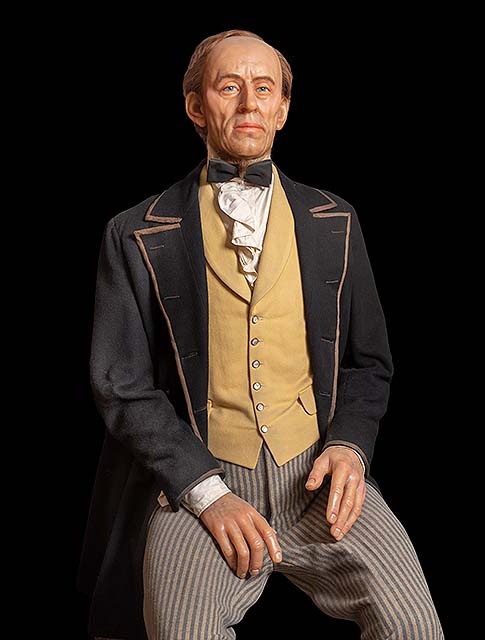
Biography of Hans Christian Andersen
Hans Christian Andersen is one of the most beloved literary figures in history. He is known around the world for his timeless fairy tales, which have been translated into more than 125 languages. A complete look at Hans Christian Andersen’s life reveals a man whose modest beginnings in Denmark inevitably led to his international fame. His stories have been cherished by children and adults alike for nearly two centuries.
From The Little Mermaid to The Ugly Duckling, the enduring magic of Hans Christian Andersen’s fairy tales lies in their ability to touch on universal truths. More than simple children’s stories, his works explore themes of resilience, identity, love, and transformation. The timeless quality of Hans Christian Andersen’s books ensures that his legacy remains strong in literature, theater, film, and even modern culture.
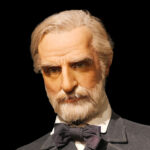
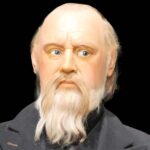
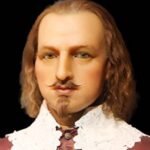
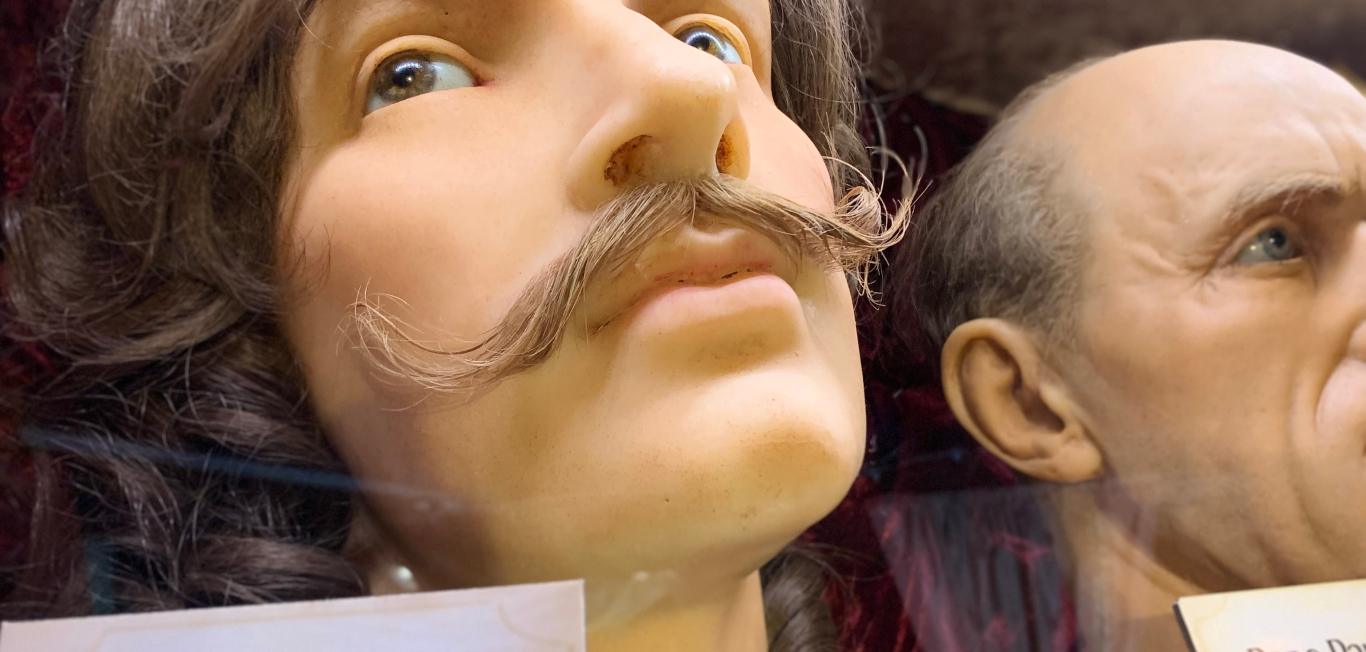
Although Andersen’s path was marked by hardship and loneliness, his achievements testify to the strength of imagination. His writing crossed borders, inspired generations of artists, and helped shape the very idea of modern fairy tales. Exhibits in places like Potter’s Wax Museum help preserve his legacy. As his stories continue to be retold throughout history, Andersen will always stand as a pioneer of meaningful storytelling.
At its heart, any Hans Christian Andersen biography illustrates the story of a man who, despite poverty and rejection, achieved global recognition. His fairy tales remind us that even the most fragile voices can echo loudly across history, shaping how people imagine and dream.
Early Life of Hans Christian Andersen
Hans Christian Andersen was born on April 2, 1805, in Odense, Denmark. His father, Hans Andersen, was a shoemaker, and his mother, Anne Marie Andersdatter, worked as a washerwoman. Growing up in poverty, Andersen’s early life was marked by hardship. However, his parents nurtured his creativity, particularly his father, who shared tales from The Arabian Nights and encouraged his son’s imagination.
DID YOU KNOW?
Andersen's father was a shoemaker and his mother worked as a washerwoman.
After his father’s death when Hans was 11, the family’s financial situation worsened. Even so, he never let go of his dream of becoming a performer or writer. His mother wanted him to become a tailor or work in trades, but Hans had other ambitions he intended to pursue. At 14, he left for Copenhagen, hoping to join the theater as an actor, singer, or dancer.
Though his first attempts at theater were unsuccessful, his unique storytelling ability soon became evident. Supporters recognized his potential and helped him gain an education, something rare for a boy of his background. His early years were not easy—he faced mockery for his tall, lanky figure and unusual personality — but his resilience prepared him for the long road to literary success.
Andersen’s early experiences of poverty and rejection gave him empathy for outsiders, a theme that runs through nearly all of his stories. He never married, and much of his emotional life found expression in his writing. These personal experiences contributed to the emotional richness of Hans Christian Andersen’s fairy tales, in which outcasts, dreamers, and underdogs often take center stage.
Interesting Facts About Hans Christian Andersen
1. Hans Christian Andersen wrote more than 150 fairy tales and over 1,000 works in total, including plays, poems, novels, and travel journals.
2. His most famous stories include: The Snow Queen, The Emperor’s New Clothes, The Little Match Girl, and The Ugly Duckling.
3. Despite his international fame, Hans Christian Andersen struggled with self-confidence. He was known to be deeply shy and hypersensitive to criticism.
4. Andersen’s fairy tales have inspired countless adaptations in film and theater, including Walt Disney’s Frozen, based on his fable, The Snow Queen.
5. Statues and museums worldwide honor him, including displays at Potter’s Wax Museum and exhibits at the St. Augustine Museum in Florida.
6. He developed a close friendship with the infamous author Charles Dickens.
7. Andersen feared being buried alive; therefore, he oddly requested that his doctors confirm his death with him several times before burial.
Milestones and Accomplishments by Hans Christian Andersen
Breakthrough Success: Andersen published his first collection of fairy tales in 1835. At first, the stories received little attention, but their quiet emotional power soon captured readers across Europe.
Literary Range: His works combined elements of folk storytelling with original imagination. The Ugly Duckling (1843), one of his most famous creations, became a universal symbol of transformation and self-discovery.
Global Reach: Andersen’s stories became some of the earliest internationally successful works for children. They have been translated, reimagined, and retold around the world for nearly two hundred years.
Cultural Legacy: He elevated fairy tales from simple folklore to respected literature. Modern authors like J.K. Rowling and filmmakers such as Walt Disney cite him as a significant influence.
Recognition and Memory: During his lifetime, Andersen was welcomed by European royalty and celebrated by literary peers. Today, his name lives on through museums, statues, and festivals dedicated to his life and work.
Through these milestones, Andersen reshaped storytelling itself — proving that fantasy can carry profound truths about humanity.
DID YOU KNOW?
During his lifetime, Andersen was welcomed by European royalty and celebrated by literary peers.
Late in Life
In his later years, Hans Christian Andersen became an internationally celebrated figure, traveling widely across Europe and being received by kings, queens, and literary elites. Despite his fame, he remained modest about his achievements, often plagued by insecurity.
Andersen never married, and his personal letters reveal a man longing for companionship yet dedicated to his art. His final years were spent in Copenhagen, where he continued writing and revising his works. In 1872, he suffered a severe fall that affected his health, and he never fully recovered.
He died on August 4, 1875, at the age of 70. His funeral was a national event in Denmark, with thousands paying tribute. His grave at Assistens Cemetery in Copenhagen remains a site of literary pilgrimage.
FAQs
What is Hans Christian Andersen most famous for?
Hans Christian Andersen is most famous for his fairy tales, such as The Little Mermaid, The Ugly Duckling, The Snow Queen, and The Emperor’s New Clothes. These timeless stories made Hans Christian Andersen books and fairy tales central to children’s literature worldwide.
Which fairy tales did Hans Christian Andersen write?
Hans Christian Andersen wrote more than 150 well-known fairy tales, including The Little Match Girl, Thumbelina, The Red Shoes, and The Nightingale. His works combine imagination, morality, and universal themes that resonate with readers across generations.
Where was Hans Christian Andersen born?
Hans Christian Andersen was born on April 2, 1805, in Odense, Denmark. His humble upbringing in this small town profoundly influenced the empathy and humanity found in his stories.
How did Hans Christian Andersen die?
Hans Christian Andersen died on August 4, 1875, in Copenhagen, Denmark, after years of declining health following a serious fall in 1872. His passing marked the end of one of the most significant literary careers in history.
How many stories did Hans Christian Andersen write?
Hans Christian Andersen wrote over 150 fairy tales and more than 1,000 works in total. His diverse output includes plays, poems, novels, and travel writings, though he is best remembered for his fairy tales.