Who Was Voltaire?
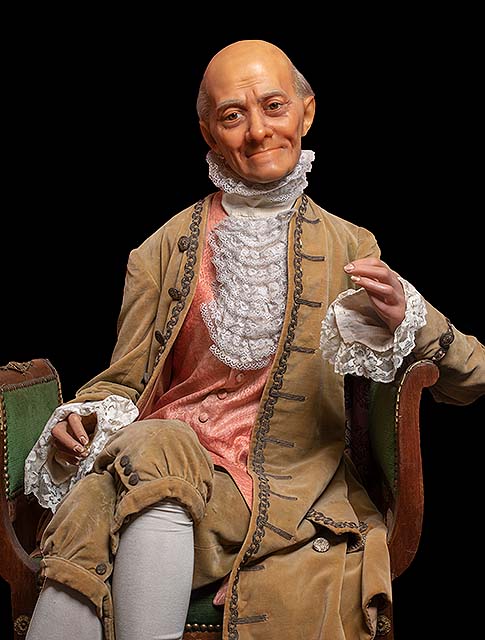
Voltaire was one of the most influential writers, philosophers, and intellectuals of the Enlightenment, a movement that emphasized reason, science, individual liberty, and freedom of thought. Born François-Marie Arouet on November 21, 1694, in Paris, France, Voltaire became famous for his sharp wit, powerful writing, and outspoken criticism of injustice, religious intolerance, and government abuse of power. Through his books, essays, plays, and letters, he helped shape modern ideas about freedom of speech, religious tolerance, and human rights.
From a young age, Voltaire displayed exceptional intelligence and a talent for writing. He received a classical education and developed a strong interest in literature, history, and philosophy. His willingness to criticize powerful individuals and institutions often brought him into conflict with French authorities. As a result, he spent time in prison and lived in exile on several occasions. Despite these setbacks, Voltaire continued writing and became one of the most widely read authors in Europe.
Much like Leonardo da Vinci during the Renaissance, Voltaire was a polymath whose work spanned literature, history, and science. One of his most famous works, Candide (1759), used satire and humor to criticize social and political problems while encouraging readers to think critically about the world around them. His writings challenged traditional beliefs and inspired discussions about reason, justice, and personal freedom.
Throughout his life, Voltaire corresponded with kings, scholars, scientists, and political leaders across Europe. He admired scientific thinkers such as Isaac Newton and helped introduce many of their ideas to a broader audience. His advocacy for civil liberties and freedom of expression made him one of the most important voices of the Enlightenment.
Voltaire died on May 30, 1778, in Paris at the age of 83. Today, he is remembered as one of the greatest French writers and philosophers in history. His ideas continue to influence discussions about freedom, equality, and human rights around the world.
Did you know?
His advocacy for civil liberties and freedom of expression made him one of the most important voices of the Enlightenment.
Early Life of Voltaire
Voltaire was born François-Marie Arouet on November 21, 1694, in Paris, France. He was the youngest of five children born to François Arouet, a successful lawyer and government official, and Marie Marguerite Daumard. Growing up in a well-educated and financially comfortable family, Voltaire was exposed to literature, politics, and intellectual discussions from an early age.
He attended the prestigious Collège Louis-le-Grand, a Jesuit school in Paris, where he received a classical education in Latin, literature, rhetoric, and philosophy. During his school years, Voltaire developed a love of writing and became known for his intelligence, humor, and talent for composing poetry. Although his father hoped he would pursue a legal career, Voltaire was determined to become a writer.
As a young man, he became involved in Parisian literary and social circles, where his wit and sharp observations quickly attracted attention. However, his tendency to criticize powerful people often caused problems. His satirical writings and outspoken opinions led to conflicts with government officials and members of the nobility. These experiences would later shape his lifelong commitment to freedom of speech and opposition to censorship.
Voltaire never married and had no children, but he maintained many important friendships and intellectual relationships throughout his life. One of the most significant was his relationship with Émilie du Châtelet, a brilliant mathematician and scientist who shared his passion for learning. Together they studied science, philosophy, and literature, helping to spread Enlightenment ideas throughout Europe.
Interesting Facts About Voltaire
Voltaire’s real name was François-Marie Arouet.
The name “Voltaire” was a pen name he adopted early in his writing career.
He spent nearly a year in the Bastille prison for criticizing the French government.
Voltaire lived in exile in England, where he became interested in British ideas about freedom and government.
He was one of the leading figures of the Enlightenment.
Voltaire wrote more than 2,000 books, pamphlets, essays, and articles.
He also wrote approximately 20,000 letters during his lifetime.
His novel Candide remains one of the most famous works of French literature.
Voltaire admired the scientific discoveries of Isaac Newton.
He strongly supported freedom of speech and religious tolerance.
He frequently used satire and humor to criticize injustice and corruption.
Voltaire corresponded with kings, queens, and intellectual leaders across Europe.
He became wealthy through successful investments and publishing ventures.
Many of his writings were banned by authorities because of their controversial ideas.
Voltaire is remembered as one of the most influential philosophers and writers in world history.
Major Milestones and Accomplishments
- Voltaire is best known as one of the leading thinkers of the Enlightenment and one of the most influential writers in European history. Through his books, essays, plays, and letters, he promoted reason, freedom of speech, religious tolerance, and individual rights. His writings challenged traditional authority and encouraged people to question injustice, making him a powerful voice for intellectual and social change.
- One of Voltaire’s greatest accomplishments was his defense of civil liberties. He frequently spoke out against censorship, religious persecution, and abuses of power by governments and institutions. His writings heavily influenced American Enlightenment thinkers like Benjamin Franklin, who famously met Voltaire in Paris. His ideals spread throughout Europe and influenced later democratic movements, including those that inspired the American and French Revolutions.
- Voltaire was also a prolific author. His most famous work, Candide (1759), remains one of the most widely read works of French literature. In addition to fiction, he wrote histories, philosophical essays, plays, poems, and thousands of letters. His ability to communicate complex ideas in an entertaining and accessible way helped make Enlightenment philosophy popular among a broad audience.
Leading thinker of the Enlightenment
His ideas about liberty, tolerance, and human rights continue to shape political and philosophical discussions around the world today.
Through his writings and activism, Voltaire became one of the most influential intellectuals of the eighteenth century. His ideas about liberty, tolerance, and human rights continue to shape political and philosophical discussions around the world today.
Voltaire's Late Life & Return to Paris
In the later years of his life, Voltaire lived primarily at his estate in Ferney, near the border of France and Switzerland. There, he continued writing extensively and became one of Europe’s most respected intellectual figures. His home became a gathering place for scholars, political leaders, and visitors who sought his advice and conversation.
Although advancing age slowed him physically, Voltaire remained active in public affairs. He continued advocating for religious tolerance, legal reform, and freedom of expression. He also used his influence to defend victims of injustice, often intervening in legal cases that he believed involved unfair treatment or religious discrimination.
In 1778, after many years away from the French capital, Voltaire returned triumphantly to Paris. He was welcomed as a literary hero, and his final play was performed before enthusiastic audiences. However, his health soon declined, and he died on May 30, 1778, at the age of 83.
Today, Voltaire is remembered as one of the most important philosophers and writers of the Enlightenment. His legacy continues through his writings, which remain influential in discussions of freedom, tolerance, and human rights.
FAQs
What is Voltaire best known for?
Voltaire is best known for being a leading philosopher and writer of the Enlightenment. He promoted freedom of speech, religious tolerance, and individual rights through his books, essays, and letters. His sharp criticism of injustice and abuse of power helped shape modern ideas about liberty, reason, and human rights.
What are Voltaire’s most popular works?
Voltaire’s most famous work is Candide (1759), a satirical novel that critiques optimism and social injustice. Other notable works include Letters on England, Philosophical Dictionary, Zadig, and numerous plays, essays, and historical writings. These works helped spread Enlightenment ideas throughout Europe and beyond.
How did Voltaire die?
Voltaire died on May 30, 1778, in Paris, France, at the age of 83. He had recently returned to the city after many years living near the Swiss border. Although his exact medical condition remains uncertain, historians generally believe he died from natural causes related to old age and declining health.
What was Voltaire’s childhood?
Voltaire was born François-Marie Arouet in Paris, France, in 1694. He grew up in a well-educated and financially comfortable family and attended the prestigious Collège Louis-le-Grand. From a young age, he displayed exceptional intelligence, a love of literature, and a talent for writing, which helped shape his future career.
Why was Voltaire controversial?
Voltaire was controversial because he openly criticized government corruption, religious intolerance, censorship, and abuses of power. His writings challenged traditional beliefs and powerful institutions, often angering political and religious authorities. As a result, some of his works were banned, and he spent time in prison and exile during his lifetime.