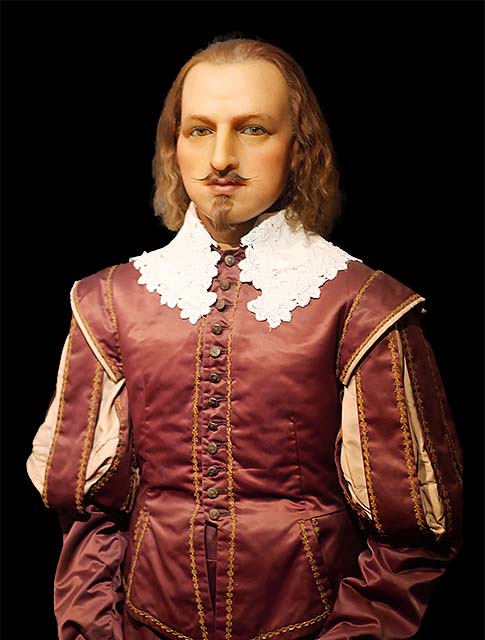
Biography of Anthony Van Dyck
Anthony Van Dyck’s history is inseparable from the story of European portraiture in the seventeenth century. When you trace the development of European portraiture in the 17th century, you inevitably run into Anthony Van Dyck. His name appears so often in discussions of aristocratic art that it’s hard to imagine the era without him. Van Dyck didn’t simply paint the elite — he shaped the way they wanted to be seen. What survives of him today, beyond the traditional Anthony Van Dyck biography, is the sense that he rewrote the rules of how power and personality could be expressed on canvas.
Born in Antwerp in 1599, Van Dyck lived during a period of political change, dynastic competition, and artistic experimentation. Flemish Baroque painting—dominated by enormous religious scenes, dramatic lighting, and emotional intensity—formed the backdrop of his early development. Though the legacy of Peter Paul Rubens often occupies center stage in discussions of the Flemish Baroque, Van Dyck played an equally critical, though stylistically different, role in shaping the international aesthetic of the era. His work softened the Baroque’s dramatic tendencies. Instead of theatrical bursts of energy, you get elegance—quiet, deliberate, refined.
If you go to almost any major museum now—even places like St. Augustine’s Potter’s Wax Museum—you’ll run into his influence in some form. Today, you can explore the legacy of Anthony Van Dyck, the artist whose distinctive approach to portraiture transformed the visual representation of power. His influence seeped into everything—art, royal fashion, the way rulers posed for official portraits, even how diplomats wanted to be seen.
Across a career spanning just over four decades, Van Dyck produced hundreds of portraits, religious works, and mythological scenes. His career took him from Antwerp to Italy, back to Flanders, and ultimately to the royal courts of England, where he would become the principal court painter to King Charles I. His art is remembered not only for its technical brilliance but for its emotional intelligence, capturing the subtle interiority of his sitters rather than simply their wealth or status.
DID YOU KNOW?
Van Dyck's influence seeped into everything including art and royal fashion.
This Anthony Van Dyck biography is therefore more than a narrative of artistic mastery. It is a cultural history of image-making, influence, and identity in a world where art was both a tool of propaganda and a reflection of personal vanity.
Early Life of Anthony Van Dyck
Anthony Van Dyck’s history begins in Antwerp, where he was born on March 22, 1599, to a prosperous merchant family. His parents recognized his talent for drawing at an early age, and by age ten, Van Dyck was receiving formal training. His childhood coincided with Antwerp’s role as a thriving artistic center, attracting painters, dealers, patrons, and printers from across Europe.
By the time most teenagers were worrying about apprenticeships, Van Dyck was already running his own small studio. That early start says a lot about his confidence and his skill. His first paintings still carry the crisp textures and tight realism of Flemish training, but they also show a young artist itching to grow. Working with Peter Paul Rubens soon pushed him forward; Rubens was the giant of Northern Europe at the time, and Van Dyck absorbed everything he could from the older master.
A turning point came when he became an assistant and collaborator to Peter Paul Rubens, then the most prestigious painter in Northern Europe. Rubens recognized Van Dyck’s immense potential and encouraged him to develop a more elegant, aristocratic style, something that would later become the hallmark of Anthony Van Dyck, the painter.
Rubens radically shaped his direction, but Van Dyck did not remain a follower for long. His ambition led him to Italy, where he absorbed the majesty of Venetian painting—especially the atmospheric colorism of Titian. Italian influences softened his technique, refined his composition, and introduced a psychological sophistication absent from much of Flemish painting.
Portraiture soon became the defining specialty of Anthony Van Dyck as an artist. His sitters appear refined, introspective, graceful—symbols of aristocratic poise rather than mere anatomical study. This nuanced approach to art forever reshaped both Flemish and English portraiture. Anyone in the art world would have noticed this change in style immediately—portraits suddenly looked more graceful, more human.
Interesting Facts About Anthony Van Dyck
Despite his short life, Anthony Van Dyck’s biography is rich with unusual and compelling details. Some of the most fascinating Anthony Van Dyck Facts include:
Anthony Van Dyck was knighted by King Charles I, becoming Sir Anthony Van Dyck—unusual for an artist of any nationality.
He was known for his personal elegance, fashionable clothing, and aristocratic manner, earning him the nickname “the cavalier painter.”
He painted so quickly that many assistants worked to complete backgrounds, hands, or costumes while he focused on faces—an activity common in Anthony Van Dyck’s artistic history.
His refined portraits influenced fashion trends, encouraging the European elite to copy the poses, fabrics, and gestures he depicted.
Although best known as a portraitist, Anthony Van Dyck’s paintings also created religious and mythological works, many of which demonstrated a deeply emotional sensibility.
He died at just 42, but left behind hundreds of paintings—a remarkable output for a short career.
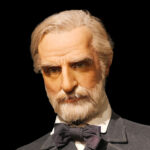
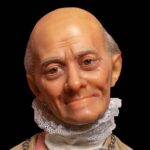
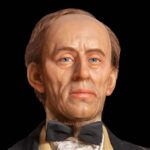
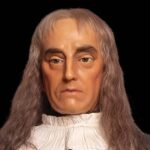
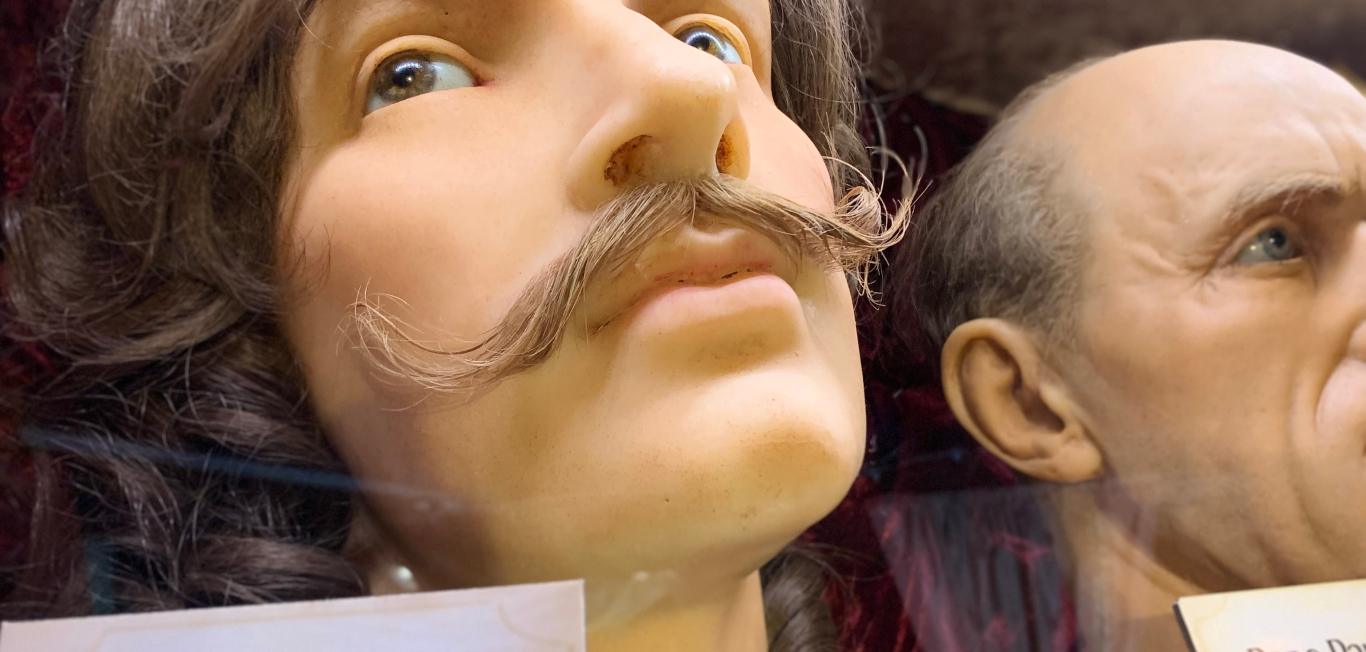
At Potter’s Wax Museum, visitors can see a life-like version of the artist.
These Anthony Van Dyck facts show an artist whose career intersected with politics, fashion, and cultural identity on an international scale.
Major Milestones and Accomplishments by Anthony Van Dyck
Anthony Van Dyck’s biography is characterized by a series of major accomplishments that shaped Western art.
Court Painter to Charles I
In 1632, Van Dyck accepted an offer to work as court painter to King Charles I of England. This was a defining moment in Anthony Van Dyck’s history, elevating him to the highest rank in his profession.
His portraits of the English monarchy are among the most iconic images of royal power ever created. Van Dyck depicted the king not merely as a ruler, but as a cultured, refined gentleman—an image that shaped the public perception of monarchy for centuries.
DID YOU KNOW?
Van Dyck’s portraits of the English monarchy are among the most iconic images of royal power ever created.
Inventing a Style of Elite Portraiture
Anthony Van Dyck’s paintings introduced a new visual language to portrait painting: elongated bodies, aristocratic posture, flowing fabrics, and quiet dignity. This aesthetic influenced an entire generation of artists, including Thomas Gainsborough and Joshua Reynolds, and permanently reshaped British portraiture.
International Recognition
As an artist, Anthony Van Dyck achieved fame and wealth in multiple countries—Flanders, Italy, England—something rare for a 17th-century painter. His works were collected by kings, cardinals, and wealthy merchants who viewed commission as a symbol of prestige.
Impact on Visual Culture
Even today, the conventions introduced by Van Dyck shape modern photography, fashion, and portraiture. The modern idea of the “glamorous portrait” owes much to Anthony Van Dyck’s artistic heritage.
Exhibits at St. Augustine’s Potter’s Wax Museum highlight European history and include Anthony Van Dyck and his accomplishments on European aesthetics, making portraiture not merely a visual record but an art of psychological and social representation.
Late In Life
The final years in Anthony Van Dyck’s biography were marked by both professional success and personal decline. His position in England brought him wealth and status, but the stress of constant work took a toll. He continued painting even while ill, attempting to maintain his role at court during a period of political tension.
He died in London on December 9, 1641, at just 42 years old. His funeral was held at St. Paul’s Cathedral—an extraordinary honor for a non-noble individual. His burial location reflects how deeply the artist, Anthony Van Dyck, was valued during his lifetime.
Despite his early death, Van Dyck left a lasting legacy through his paintings and influence on portraiture. Potter’s Wax Museum continues to display both original works and replicas, ensuring that the visual language he crafted remains accessible to the public.
FAQs
What type of painting is Anthony Van Dyck most known for?
Anthony Van Dyck is most known for aristocratic portraiture. His elegant, psychologically rich representations of royalty and nobility defined the genre and influenced European portraiture for centuries.
How did Anthony Van Dyck die?
Anthony Van Dyck died at age 42 after suffering from a prolonged illness. Despite declining health, he continued painting and working at the English court until his final months.
How many paintings did Anthony Van Dyck paint?
Van Dyck is believed to have completed hundreds of works, including portraits, religious scenes, and mythological subjects. Most estimates range between 400 and over 800 paintings!
Who taught Anthony Van Dyck?
Van Dyck trained in Antwerp and later worked under Peter Paul Rubens, whose mentorship shaped his development and influenced early elements of Anthony Van Dyck’s history.
Where is Anthony Van Dyck buried?
He was buried at St. Paul’s Cathedral in London. This is considered a rare honor that reflects his status as a court painter and major cultural figure in England.