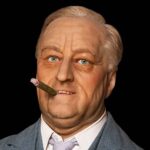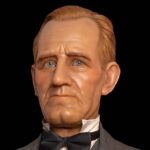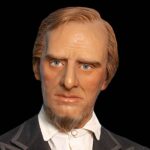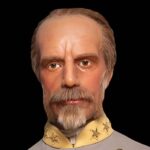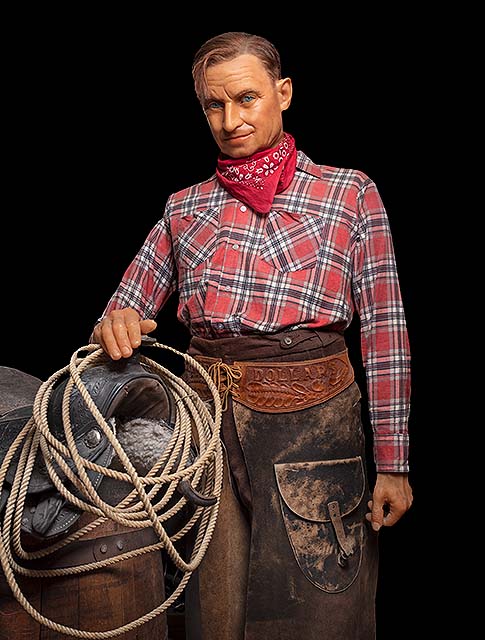
Exploring the legacy of Will Rogers at Potter’s Wax Museum offers visitors an engaging look at one of early 20th-century America’s most beloved humorists, actors, and social commentators. Located in historic downtown St. Augustine, America’s oldest wax museum showcases a detailed figure of Rogers alongside educational historical displays. Visiting Potter’s Wax Museum allows guests to stand face-to-face with the “Cowboy Philosopher” while learning about his trick-roping origins, legendary witty observations, and enduring mark on American entertainment.
Why Choose Potter’s Wax Museum?
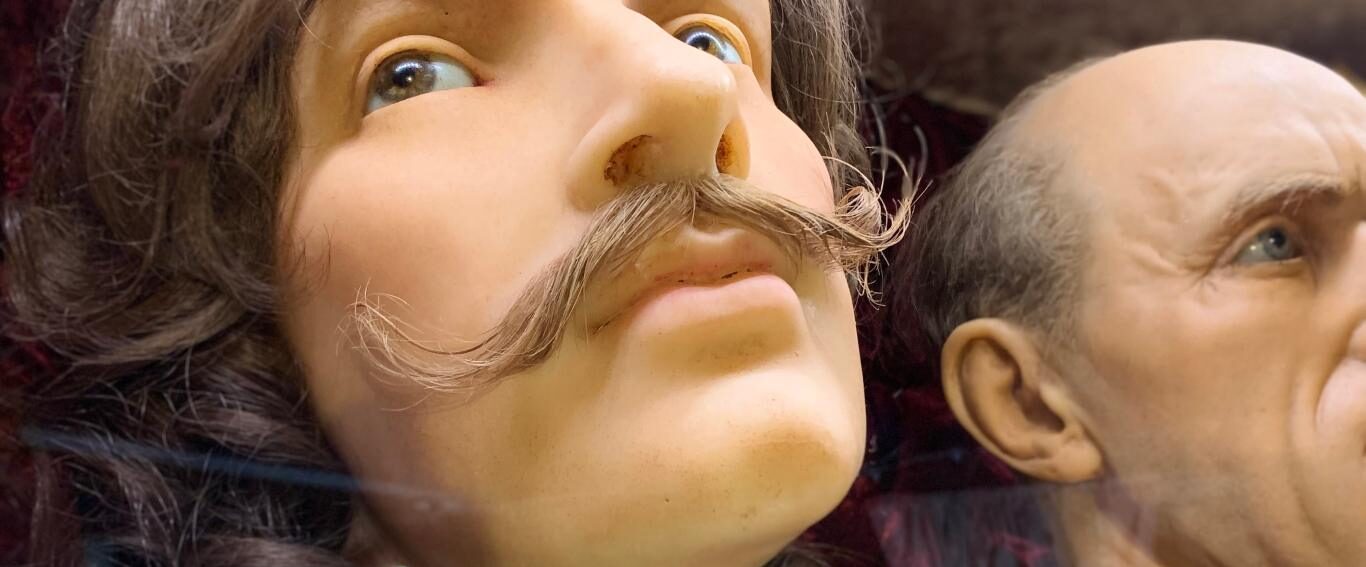
- Lifelike Craftsmanship: Experience meticulously detailed, life-sized wax figures featuring hand-sculpted features, real human hair, and period-accurate historical attire.
- Educational American History: Discover the compelling stories behind iconic entertainers, world leaders, founding fathers, and legendary figures.
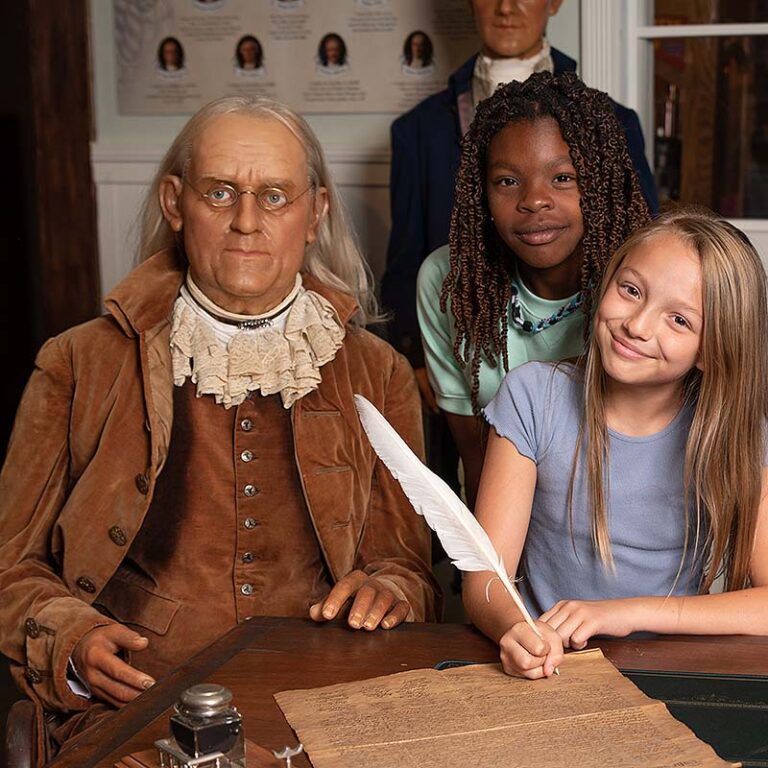
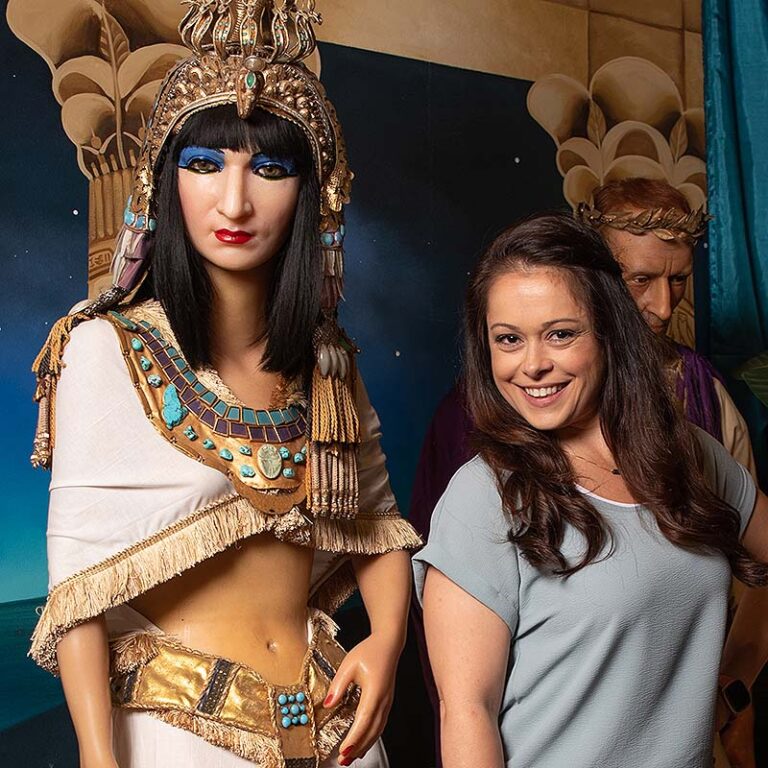
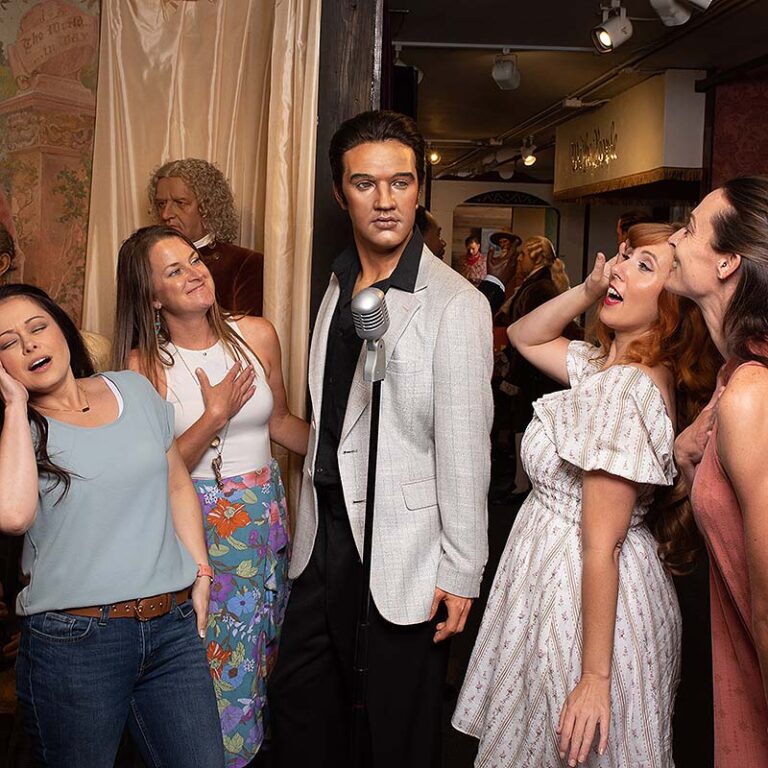
- Interactive Photo Opportunities: Capture memorable photographs standing up-close with influential historical icons inside historic downtown galleries.
- Family-Friendly Environment: Enjoy an engaging, self-paced indoor experience suitable for visitors of all ages in the heart of the city.
Points of Interest & Will Rogers Facts at Potter’s Wax Museum
- Cherokee Heritage & Wild West Origins: Learn how Rogers was born in 1879 into a prominent Cherokee family in Indian Territory (present-day Oklahoma) and began his entertainment career as a skilled trick roper in Wild West shows.
- “The Cowboy Philosopher”: Discover how his down-to-earth humor, gentle political satire, and famous philosophy—”I never met a man I didn’t like”—made him America’s leading social commentator.
- Box Office & Media Dominance: Explore his rise as the #1 radio personality, top syndicated newspaper columnist, and Hollywood’s highest-paid box office star by the mid-1930s.
- Trademark Newspaper Columns: Read about his famous tagline “All I know is what I read in the papers,” which introduced millions of Americans to his witty commentary on politics and current events.
- Aviation Passion & Tragic End: Trace his advocacy for commercial aviation and his tragic 1935 death alongside aviator Wiley Post in a plane crash near Point Barrow, Alaska, at the height of his fame.
Biography of Will Rogers
Will Rogers was one of the best American entertainers, humorists, actors, and social commentators of the twentieth century. He is known for his quick wit, friendly personality, and humorous observations about politics and everyday life.
William Penn Adair Rogers was born on November 4, 1879, near present-day Oologah, Oklahoma. He grew up on his family’s ranch, and both of his parents were citizens of the Cherokee Nation. When he was young, he became an excellent horseman and developed impressive skills with a rope. This skill led to his entrance into the entertainment industry.
Rogers traveled widely as a young adult and performed as a trick roper in Wild West shows. He later entered vaudeville, and he discovered that audiences enjoyed his humorous comments as well. Rogers transformed his performances by combining rope tricks with jokes.
His career expanded into Broadway’s Ziegfeld Follies, motion pictures, radio, books, and a widely syndicated newspaper column. Rogers became especially famous for commenting on politicians without appearing strongly partisan. One of his most remembered sayings was, “I never met a man I didn’t like.”
During the Great Depression, Rogers’s humor offered audiences entertainment during an extremely difficult period in American history. Despite becoming wealthy and internationally famous, he maintained the image of an approachable, ordinary American who simply happened to have an unusually sharp sense of humor.
Rogers’s life ended unexpectedly in 1935 when an airplane carrying him and aviator Wiley Post crashed in Alaska. He was only 55 years old. His enormous popularity at the time of his death demonstrated how successfully he had moved from cowboy entertainer to one of America’s most beloved public personalities. His legacy continues through his films, writings, quotations, museums, memorials, and influence on American political humor.
Great Depression
Rogers’s humor offered audiences entertainment during an extremely difficult period in American history.
Early Life of Will Rogers
Will Rogers was born William Penn Adair Rogers on November 4, 1879. He was born on his family’s ranch in the Cherokee Nation of Indian Territory. This area later became part of Oklahoma. His parents were Clement Vann Rogers and Mary America Schrimsher Rogers, who were citizens of the Cherokee Nation.
Rogers grew up in a rural environment surrounded by horses and cattle. He became a skilled rider and learned how to handle a rope as a youth. Even though he was very curious and intelligent, Rogers was not interested in going to school. He attended several schools but preferred ranch life, travel, horses, and practical experiences.
As a young man, Rogers left home and traveled to many places. While in South Africa, he joined a Wild West show and performed rope tricks under the stage name “The Cherokee Kid.” His time as a cowboy performer led him into show business.
In 1908, Rogers married Betty Blake, whom he had met several years earlier. They had four children named Will Rogers Jr., Mary, James, and Fred. Fred died as a young child. Despite his travel and work life, Rogers was devoted to his family.
His upbringing on a ranch, Cherokee heritage, cowboy skills, and experiences traveling around the world became important parts of his public identity. Even after achieving national fame, Rogers continued presenting himself as a straightforward cowboy who viewed complicated political and social issues with humor and common sense.
Save up
to 5%
Potter’s Wax Museum Tickets
to 5%
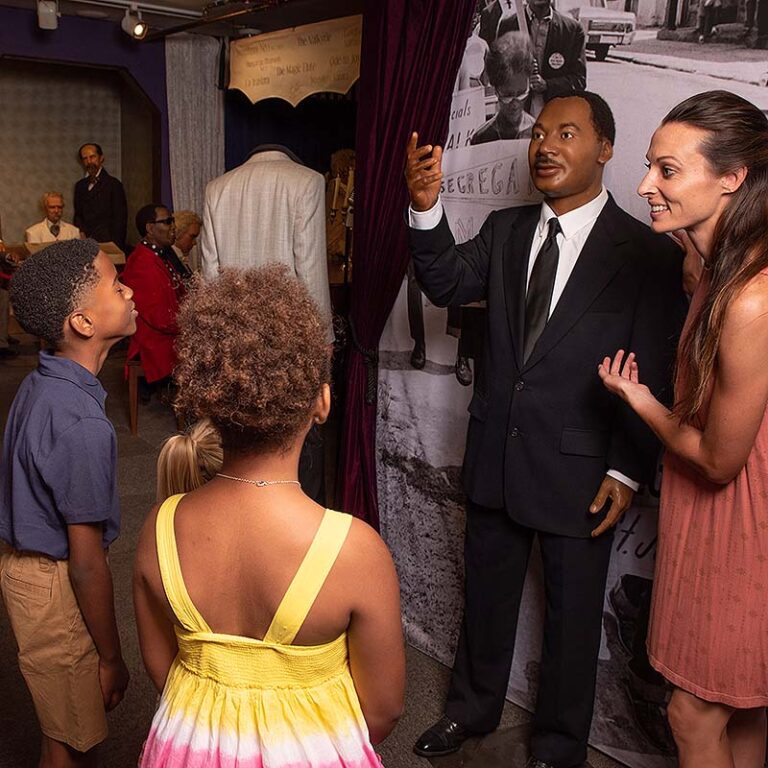
Potter’s Wax Museum is a fun, family-friendly attraction that offers a surreal experience with famous Hollywood stars, professional athletes, and political figures.
- Potter’s Wax Museum is home to more than 160 different wax figures
- The museum’s collection includes people who’ve played an important part in history
- Potter’s Wax Museum offers an entertaining time for adults and children of all ages

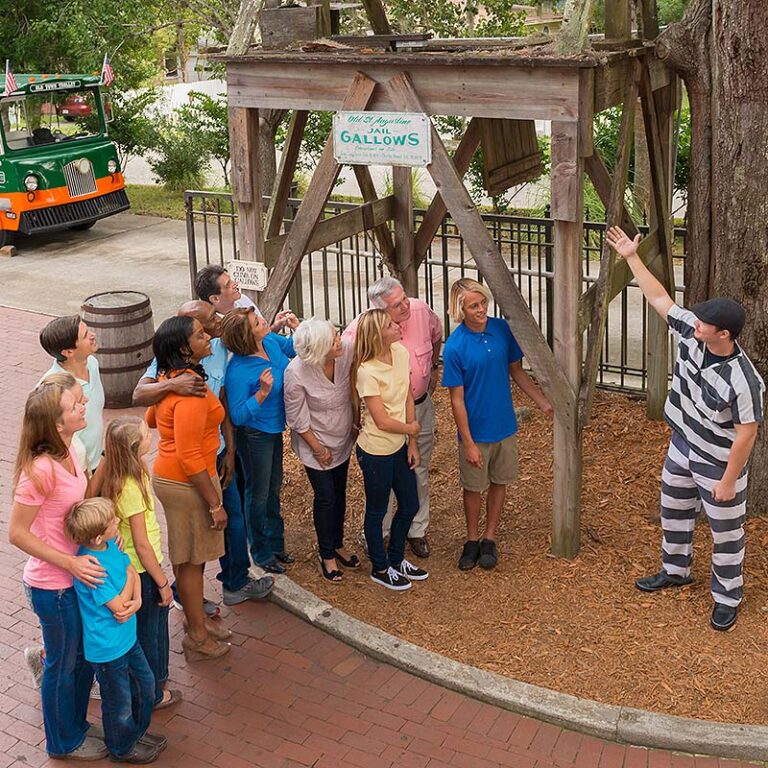
The Old Jail
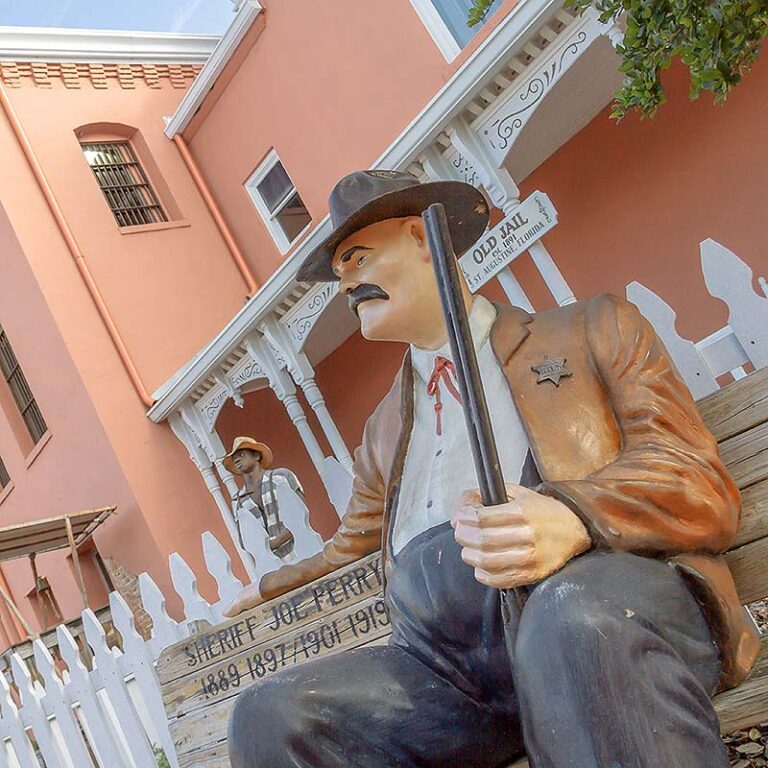
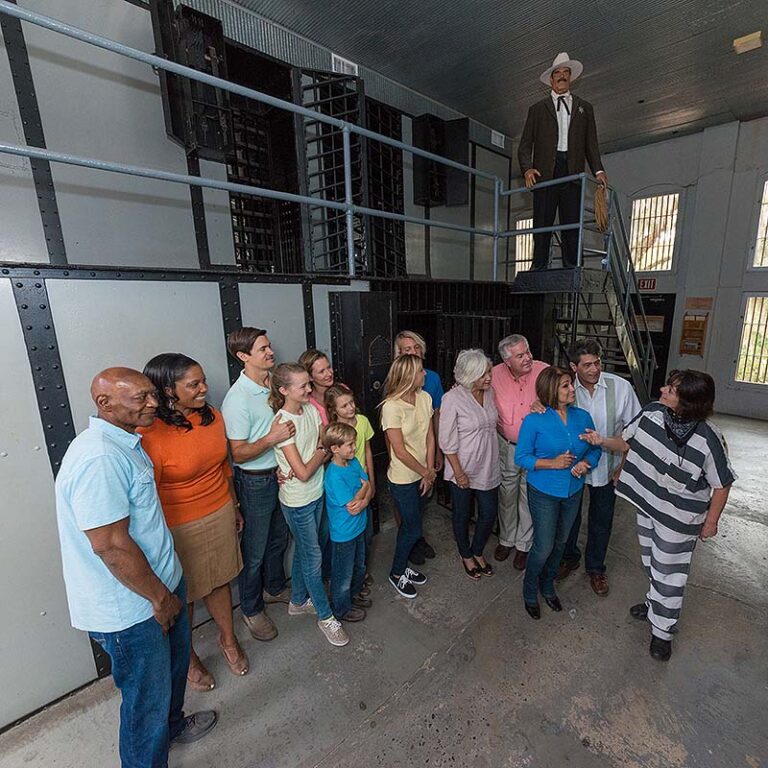
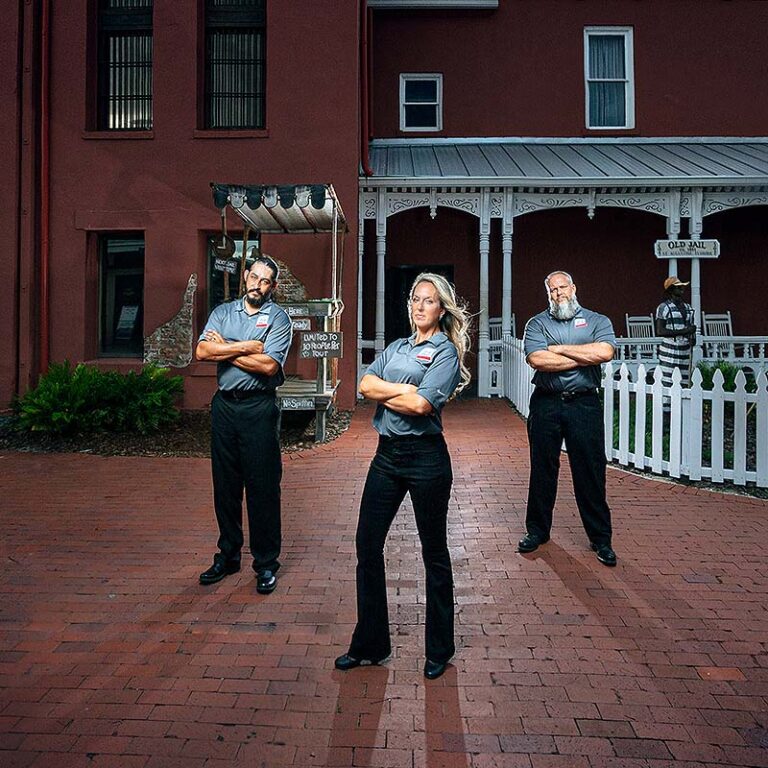
Built by Henry Flagler in 1891 and placed on the National Registry of Historic Places in 1987, the Jail was operational for more than 60 years and housed 72 prisoners at a time. Take a tour of the maximum security cells and meet Sheriff Joe Perry.
- Take a tour of the maximum security cells
- Meet Sheriff Joe Perry who’ll fill you in on how executions were held in the gallows
- Take a walk through the men’s and women’s cells
- See where the warden and his family lived just footsteps away

Save up
to 5%
Old Jail After Dark
to 5%
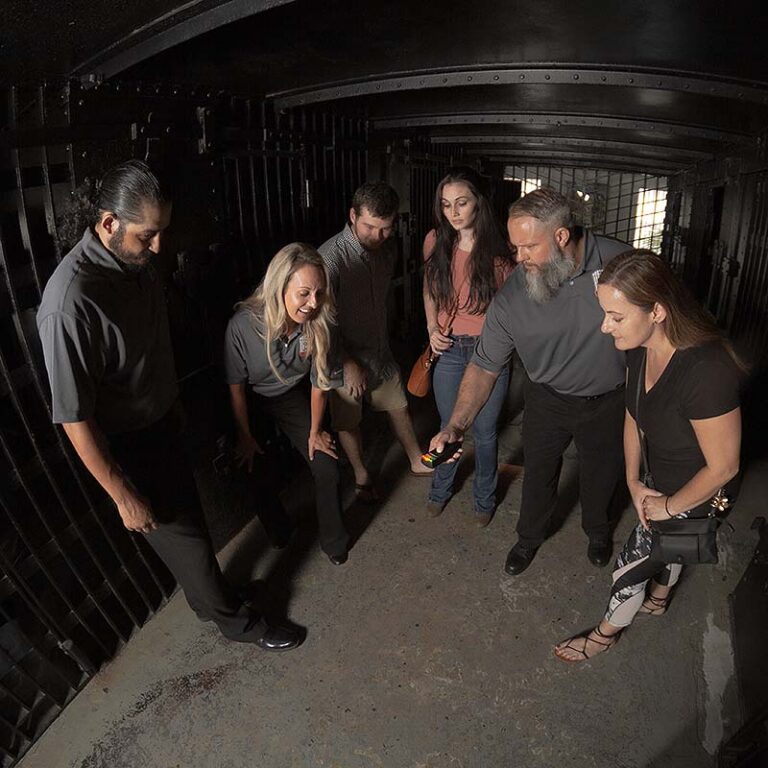
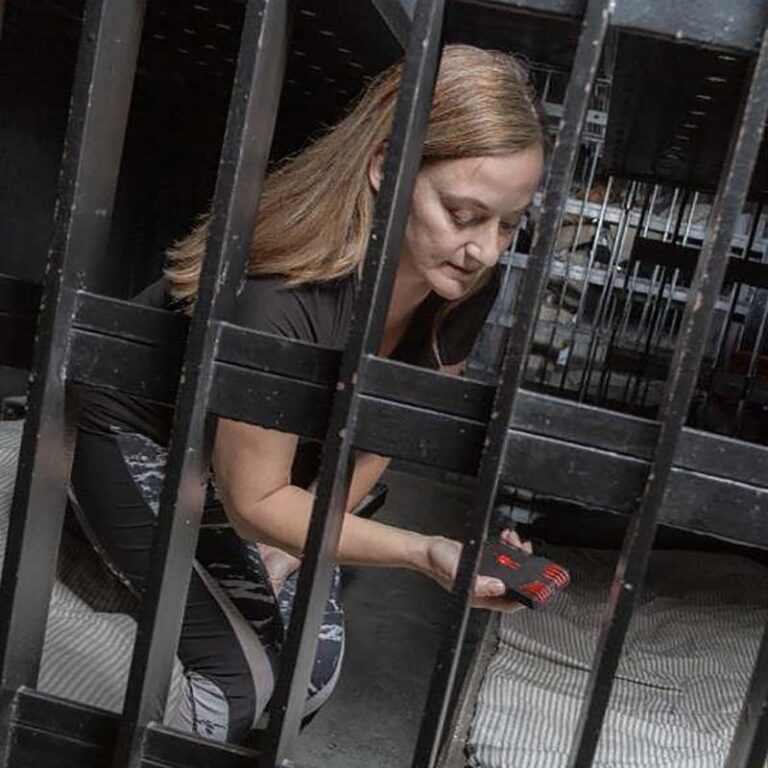
Prepare yourself for a night you’ll never forget at The Old Jail After Dark. Our 2 hour and 30-minute experience allows visitors to participate in an actual paranormal investigation of St. Augustine’s most haunted building, the Old Jail.
- Participate in an actual paranormal investigation with our expert guides
- Get hands-on with the latest ghost hunting equipment
- Learn the darker side of the Old Jail and the spirits that refused to move on
- Maximum group size of 12 people per investigation
- As seen on Ghost Hunters and Kindred Spirits
- 100% Satisfaction Guarantee
Prev
Next
Interesting Facts About Will Rogers
Will Rogers’s full name was William Penn Adair Rogers.
He was born a citizen of the Cherokee Nation and frequently spoke proudly about his Cherokee heritage.
Before becoming famous for comedy, Rogers was an accomplished cowboy and trick roper.
He performed under the nickname “The Cherokee Kid” during his early entertainment career.
Rogers traveled to places including Argentina, South Africa, Australia, and Europe.
He became a star performer in Florenz Ziegfeld’s Ziegfeld Follies.
Rogers wrote thousands of newspaper columns and became one of America’s most widely read commentators.
He successfully transitioned from silent movies to talking pictures.
Rogers became a major radio personality in addition to his film and newspaper careers.
One of his best-known sayings is “I never met a man I didn’t like.”
Rogers frequently joked about Congress and American politics, but his humor generally targeted political behavior rather than a single political party.
He was an enthusiastic supporter of aviation during a period when flying was still relatively new.
Rogers was close friends with famous aviator Wiley Post.
Rogers and Post died together in an airplane crash in Alaska in 1935.
Will Rogers World Airport in Oklahoma City was named in his honor.
Major Milestones and Accomplishments by Will Rogers
Will Rogers’s career was remarkable because he achieved success in nearly every major form of popular media available during his lifetime. Beginning as a cowboy entertainer, he eventually became one of America’s most famous comedians, writers, actors, and political commentators.
One of Rogers’s first major accomplishments was becoming a successful vaudeville performer. His original act focused on rope tricks, but he soon began talking to audiences while performing. His jokes and humorous observations became so popular that comedy gradually became the most important part of his act.
His national reputation increased considerably when he joined the Ziegfeld Follies on Broadway. Rogers used these performances to joke about current events, politicians, and American society. His conversational style made audiences feel as though they were listening to an ordinary person rather than a polished political commentator.
Rogers also became a successful newspaper writer. His columns and short observations were syndicated across the United States, allowing millions of Americans to read his opinions. He traveled extensively and wrote about international affairs as well as American politics.
Another major accomplishment was his success in Hollywood. Rogers appeared in dozens of silent and sound films. Unlike some silent-film performers, he did very well in talking pictures. He was able to adapt so well because of his distinctive voice, humor, and conversational delivery.
Rogers also embraced radio, which allowed him to speak directly to audiences across the country. By the 1930s, his combination of films, radio broadcasts, newspaper writing, and public appearances had made him one of America’s best-known personalities.
What made Rogers especially influential was his ability to discuss serious political and economic subjects through humor. He frequently joked about presidents, Congress, political parties, government spending, and international affairs while maintaining a broadly appealing public image.
His influence continues today because he helped establish a style of American political humor based on observing current events, questioning politicians, and finding comedy in the contradictions of public life.
Influential
His ability to discuss serious political and economic subjects through humor is what made Rogers especially influential. He frequently joked about presidents, Congress, political parties, government spending, and international affairs while maintaining a broadly appealing public image.
Late In Life
During the final years of his life, Will Rogers remained extremely active rather than retiring from public life. By the early 1930s, he was one of America’s most successful entertainers and continued working in movies, radio, newspapers, and public appearances.
The Great Depression gave Rogers’s commentary particular importance. Millions of Americans faced unemployment and financial hardship, and Rogers used humor to discuss economic problems and political decisions. His approachable style made him a reassuring public figure during an uncertain period.
Rogers also became increasingly interested in aviation. He frequently traveled by airplane and supported the development of commercial aviation. One of his friends was Wiley Post, a celebrated aviator who had become famous for flying around the world.
In the summer of 1935, Rogers accompanied Post on a trip through Alaska while Post explored possible aviation routes. On August 15, 1935, their aircraft took off near Point Barrow, Alaska. Shortly after takeoff, the airplane crashed, killing both men.
Rogers was 55 years old. News of his death caused widespread mourning across the United States. His body was initially buried in California but was later reinterred at the Will Rogers Memorial in Claremore, Oklahoma.
Rogers’s reputation remained strong after his death. Schools, roads, airports, parks, and other landmarks were named in his honor. His writings and observations about American politics also remain widely quoted, demonstrating the lasting influence of his distinctive style of humor.
FAQs
What was Will Rogers most famous for?
Will Rogers was most famous for combining humor with political and social commentary. Beginning as a cowboy and trick roper, he became a successful vaudeville performer, newspaper columnist, radio personality, and movie star. Americans especially admired his witty observations about politicians, Congress, current events, and ordinary American life.
What is Will Rogers’s famous quote?
Will Rogers’s most famous quote is “I never met a man I didn’t like.” The statement became closely associated with his friendly public personality and humorous approach to human behavior. Rogers produced many other memorable observations, particularly about American politics, government, Congress, money, and the unpredictable nature of current events.
How did Will Rogers die?
Will Rogers died in an airplane crash on August 15, 1935, near Point Barrow, Alaska. He was traveling with famous aviator Wiley Post when their aircraft crashed shortly after taking off. Both men were killed. Rogers was 55 years old, and his unexpected death resulted in nationwide mourning.
What is Will Rogers’s real name?
Will Rogers’s full name was William Penn Adair Rogers. He was born on November 4, 1879, in the Cherokee Nation in Indian Territory, near present-day Oologah, Oklahoma. He later shortened his professional name to Will Rogers, which became recognized throughout the United States during his entertainment career.
How many films is Will Rogers in?
Will Rogers appeared in more than 70 films, including both silent movies and talking pictures. Counts can vary somewhat depending on how short films and appearances are classified. His film career began during the silent era, but his humor and conversational delivery made him especially successful after sound became standard in Hollywood.