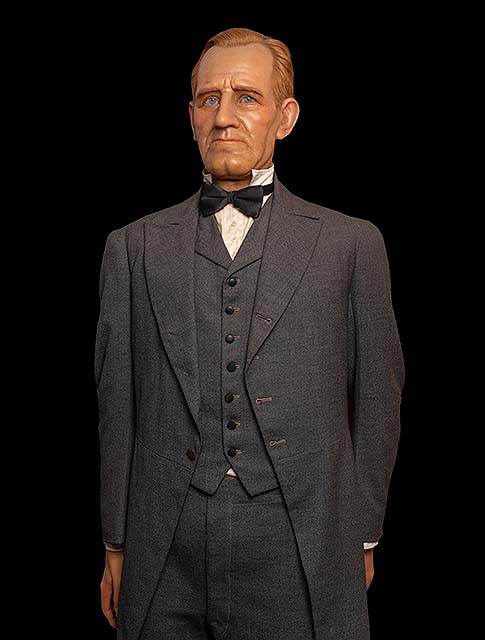
Sam Houston Display at Potter’s Wax Museum
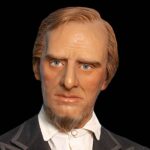
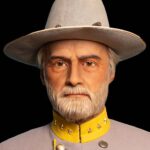
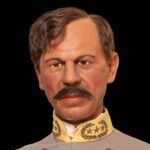
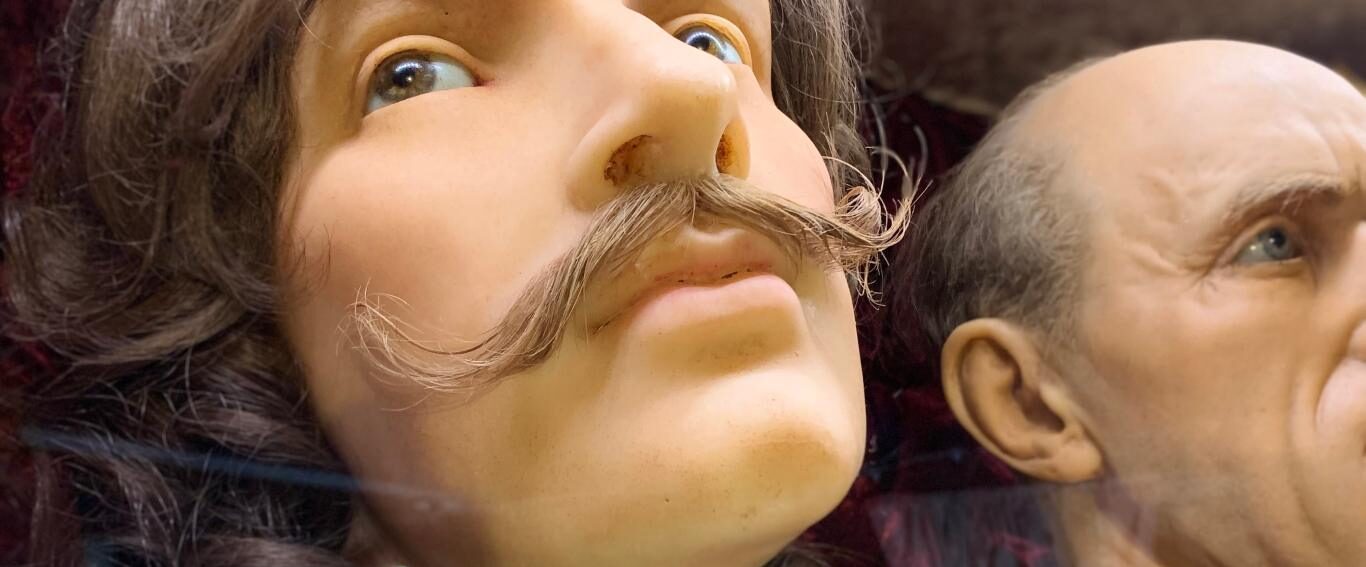
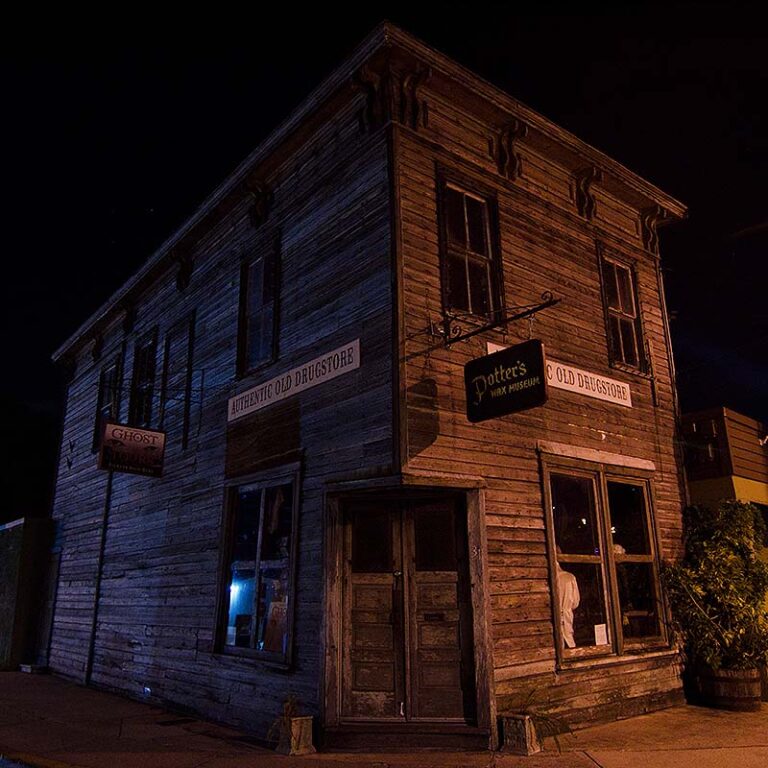
Potter’s Wax Museum in St. Augustine features a life-sized wax figure of Sam Houston within its American History gallery. Visitors can examine historical figures up close while learning about 19th-century political and military leaders. Touring the museum offers an educational look at key figures who shaped Texas independence and the United States.
Explore American History at Potter’s Wax Museum
- Life-Sized Wax Sculptures: View hand-crafted wax figures depicting major political, military, and historical leaders.
- Climate-Controlled Galleries: Tour indoor exhibits showcasing world history and American heritage in downtown St. Augustine.
- Educational Displays: Learn about key historical eras, including the Texas Revolution and 19th-century territorial expansion.
- Self-Paced Walkthrough: Inspect detailed historical costumes and props at your own speed.
- Central Historic Location: Visit the museum steps from Orange Street and historic St. George Street.
Key Features of the Sam Houston Display and Legacy
- President of the Republic of Texas: Learn about Houston’s leadership as the first and third President of the Republic of Texas.
- Battle of San Jacinto: Discover how Houston commanded Texian forces to victory in 1836, securing independence from Mexico.
- Two-State Governor: Study his political legacy as the only person elected Governor of two different U.S. states, Tennessee and Texas.
- U.S. Senator: Examine his service representing Texas in the United States Senate following statehood.
- Period-Accurate Attire: View the wax figure styled in authentic 19th-century garments inside America’s oldest wax museum.
Who Was Sam Houston? A Brief Biography
Sam Houston was one of the most influential and complex figures in the history of Tennessee, Texas, and the United States. During his remarkable career, he was a soldier, lawyer, congressman, governor, military commander, president of the Republic of Texas, United States senator, and governor of Texas.
Houston was born on March 2, 1793, in Rockbridge County, Virginia. After his father died, his mother moved the family to eastern Tennessee. As a teenager, Houston left home for a time and lived among the Cherokee, forming relationships that would influence him personally and politically for much of his life.
In 1813, Houston joined the United States Army and served under Andrew Jackson during the War of 1812. He was seriously wounded at the Battle of Horseshoe Bend in 1814. After leaving the military, Houston studied law and entered politics. He represented Tennessee in the U.S. House of Representatives and, in 1827, was elected governor of Tennessee.
Houston’s promising Tennessee career came to an abrupt halt in 1829 after his brief marriage to Eliza Allen ended. He resigned as governor and returned to live among the Cherokee in Indian Territory.
Houston eventually traveled to Texas, where he became a leader of the Texas Revolution. As commander of the Texan Army, Houston led his forces to a decisive victory over General Antonio López de Santa Anna at the Battle of San Jacinto on April 21, 1836. The victory helped secure Texas independence and transformed Houston into one of the most celebrated figures in Texas history.
Houston went on to serve twice as president of the Republic of Texas. After Texas joined the United States, he became a U.S. senator and later governor of Texas.
His final political battle came over secession. Although Houston was a slaveholder and was not an abolitionist, he strongly opposed Texas leaving the United States. When he refused to pledge allegiance to the Confederacy in 1861, he was removed from office.
Houston died in Huntsville, Texas, on July 26, 1863, leaving behind an extraordinary and complicated legacy that stretched from Tennessee and the Cherokee Nation to the creation of the Republic of Texas.
Civil War
His final political battle came over secession. Although Houston was a slaveholder and was not an abolitionist, he strongly opposed Texas leaving the United States. When he refused to pledge allegiance to the Confederacy in 1861, he was removed from office.
Save up
to 5%
Potter’s Wax Museum Tickets
to 5%
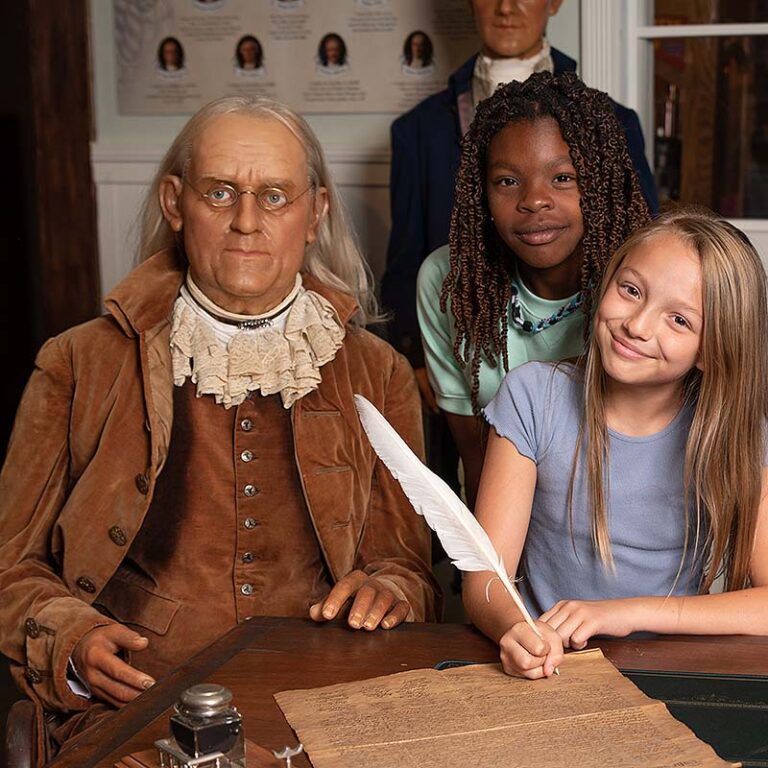
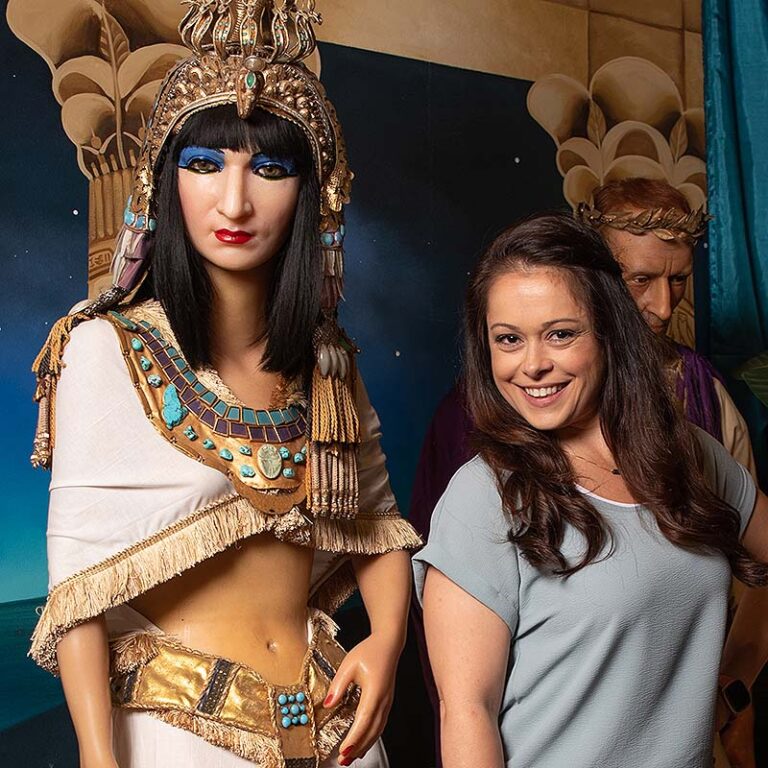
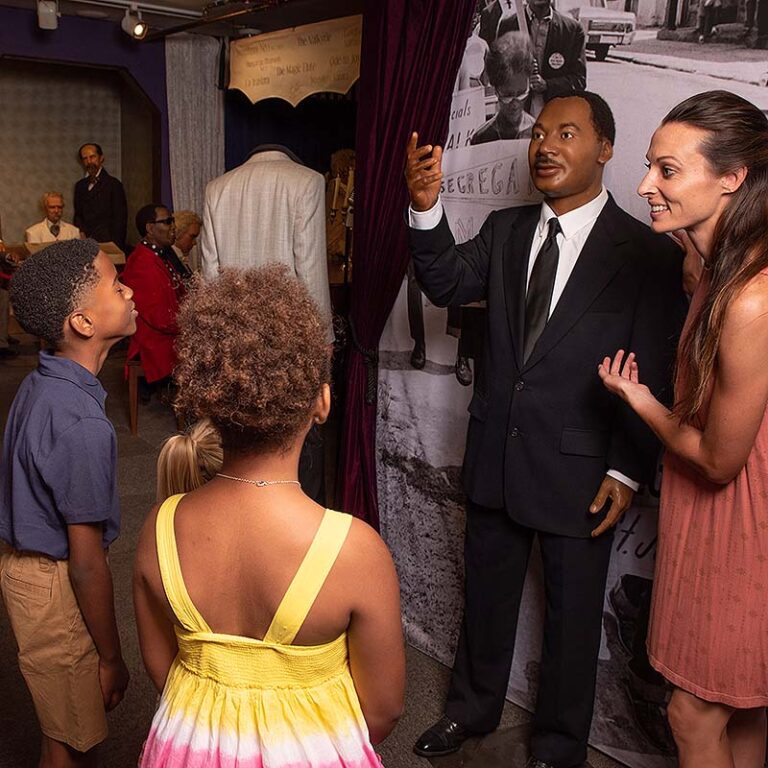
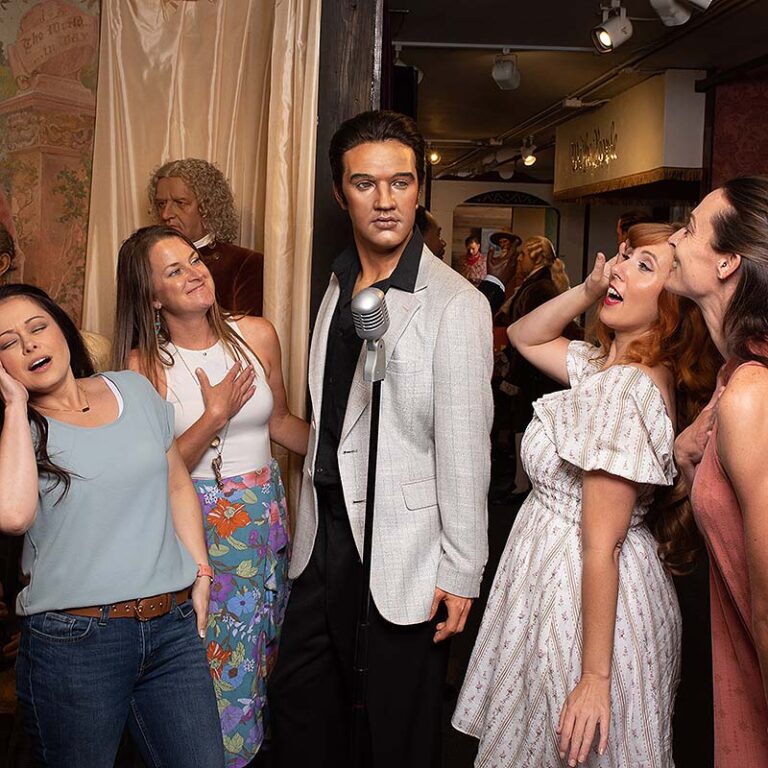
Potter’s Wax Museum is a fun, family-friendly attraction that offers a surreal experience with famous Hollywood stars, professional athletes, and political figures.
- Potter’s Wax Museum is home to more than 160 different wax figures
- The museum’s collection includes people who’ve played an important part in history
- Potter’s Wax Museum offers an entertaining time for adults and children of all ages



Save up
to 5%
Old Jail After Dark
to 5%
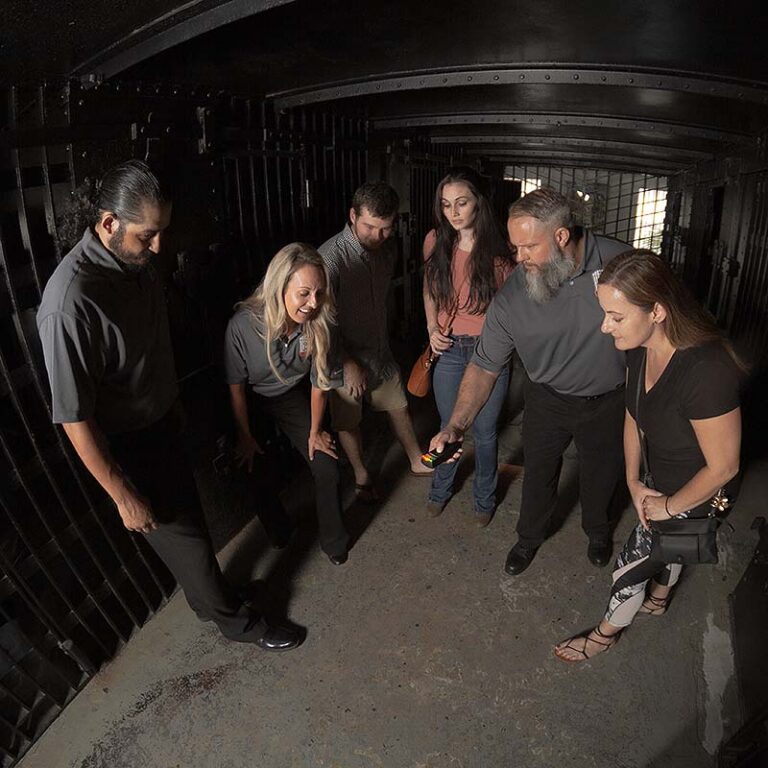
Prepare yourself for a night you’ll never forget at The Old Jail After Dark. Our 2 hour and 30-minute experience allows visitors to participate in an actual paranormal investigation of St. Augustine’s most haunted building, the Old Jail.
- Participate in an actual paranormal investigation with our expert guides
- Get hands-on with the latest ghost hunting equipment
- Learn the darker side of the Old Jail and the spirits that refused to move on
- Maximum group size of 12 people per investigation
- As seen on Ghost Hunters and Kindred Spirits
- 100% Satisfaction Guarantee


Save up
to 15%
Ghosts & Gravestones Tour
to 15%
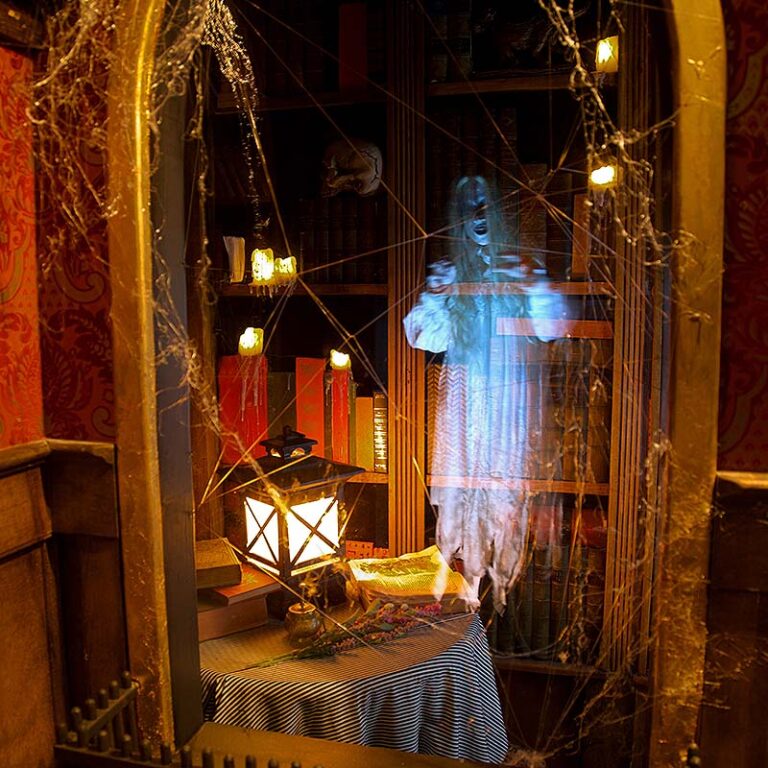
Prepare yourself for a Frightseeing Adventure like none other as your resident Ghost Host shares tales both true and truly unnerving of the city’s tumultuous past. Discover the secrets of the Tolomato Cemetery and the apparition seen playing on the sacred grounds after dark. Could it be the spirit of five-year-old James or is it the Ghost Bride, still waiting for her walk down the aisle. Be sure to keep a watchful eye while passing by the old City Gates. You might catch a glimpse of Elizabeth, a child victim of the yellow fever, waving to passersby.
- 60-minute narrated tour by our talented ghost hosts
- Stories come from years of research, personal accounts and hauntingly real-life experiences
- Exclusive nighttime experience inside of Potter’s Wax Museum’s Chamber of Horrors
- As Seen on The Today Show, Sci-Fi Channel and Travel Channel
- 100% Satisfaction Guarantee
Prev
Next
Early Life of Sam Houston
Samuel Houston was born in Virginia in 1793 to Samuel and Elizabeth Paxton Houston. He was the fifth of nine children. Following his father’s death, the Houston family moved to eastern Tennessee in 1807 and established a farm near Maryville.
Houston had relatively little formal education and did not enjoy working in his family’s store. In 1809, the teenage Houston left home and went to live among the Cherokee across the Tennessee River.
Houston developed a particularly close relationship with Cherokee leader John Jolly. During his years among the Cherokee, Houston learned about their language and customs and was given a Cherokee name commonly translated as “The Raven.”
After returning to American society, Houston briefly worked as a schoolteacher before joining the Army in 1813. His military service introduced him to Andrew Jackson, who became an important political mentor.
Houston’s personal life was often as eventful as his public career. His first marriage to Eliza Allen in 1829 lasted only about eleven weeks. The reason for their separation was never fully explained publicly.
Houston later married Tiana Rogers, a Cherokee woman, during his years in Indian Territory. In 1840, he married Margaret Lea of Alabama. Margaret and Sam Houston had eight children and remained together for the rest of his life.
Interesting Facts About Sam Houston
He was known as “The Raven.” Houston developed close relationships with the Cherokee and received a Cherokee name commonly translated as “The Raven.”
He served as governor of two states. Houston was elected governor of Tennessee in 1827 and governor of Texas in 1859.
He was president of an independent country. Before Texas became part of the United States, Houston served two nonconsecutive terms as president of the Republic of Texas.
He survived serious battle wounds. Houston was badly wounded at the Battle of Horseshoe Bend in 1814 and wounded again at the Battle of San Jacinto in 1836.
A major American city bears his name. Houston, Texas, was founded in 1836 and named in honor of Sam Houston following the victory at San Jacinto.
His Army defeated Santa Anna. Houston commanded the Texan Army that defeated Mexican forces at San Jacinto. Santa Anna was captured the following day.
He opposed Texas secession. Houston warned against leaving the United States and refused to pledge allegiance to the Confederacy when Texas seceded.
He was the father of eight children. Sam and Margaret Houston had four sons and four daughters.
Major Milestones and Accomplishments by Sam Houston
1814 — Battle of Horseshoe Bend
Houston fought under Andrew Jackson during the War of 1812. He was seriously wounded at the Battle of Horseshoe Bend but survived. His military service helped establish his reputation and strengthened his relationship with Jackson.
1823 — United States Congressman
Houston was elected to the U.S. House of Representatives from Tennessee. He served two terms in Congress and became closely associated with Andrew Jackson’s growing political movement.
1827 — Governor of Tennessee
At only 34 years old, Houston was elected governor of Tennessee. His rapid political rise appeared likely to continue until the unexpected collapse of his marriage led him to resign in 1829.
1836 — Commander of the Texan Army
During the Texas Revolution, Houston became commander in chief of the Texan Army and was given responsibility for organizing its military forces.
April 21, 1836 — Battle of San Jacinto
Houston achieved his greatest military victory at San Jacinto. His forces launched a surprise attack against Santa Anna’s Mexican Army and achieved a decisive victory. Santa Anna was captured the following day, helping secure Texas independence. His military strategy during the Texas Revolution earned him a standing among celebrated generals like Ulysses S. Grant.
1836–1838 — President of the Republic of Texas
Following independence, Houston was overwhelmingly elected president of the new Republic of Texas.
1841–1844 — President Again
Houston returned for a second presidential term. He worked to control the republic’s financial problems, avoid renewed war with Mexico, improve relations with Native peoples, and pursue a path toward eventual annexation by the United States.
1846–1859 — United States Senator
After Texas became a state, Houston represented it in the United States Senate for more than a decade.
1859 — Governor of Texas
Houston was elected governor of Texas, giving him the unusual distinction of serving as governor of two different states.
1861 — Refuses Confederate Allegiance
Houston opposed Texas secession and refused to swear allegiance to the Confederacy. As a result, he was removed from the governorship, effectively bringing his long political career to an end.
Late In Life
After being removed as governor in 1861, Sam Houston largely withdrew from public political life.
Houston was aging, his health was declining, and the country had entered the Civil War he had warned Texans against. Rather than attempt to retain the governorship by force, Houston left office and returned to private life with Margaret and their children.
His position during the Civil War was complicated. Houston had opposed secession and remained deeply attached to the Union, but he did not become an active supporter of the Union war effort after Texas joined the Confederacy. His own son, Sam Houston Jr., served in the Confederate Army and was wounded at the Battle of Shiloh.
In the fall of 1862, Houston and his family moved to the Steamboat House in Huntsville, Texas. By this time, his health had deteriorated considerably.
After several weeks of illness, Sam Houston died of pneumonia on July 26, 1863. He was 70 years old.
Houston was buried at Oakwood Cemetery in Huntsville. His legacy remains visible throughout Texas and Tennessee today in historic sites, monuments, schools, streets, and, most famously, the city of Houston that bears his name.
FAQs
How did Sam Houston die?
Sam Houston died of pneumonia on July 26, 1863, at the Steamboat House in Huntsville, Texas. He had been ill for several weeks and was 70 years old. Houston was buried at Oakwood Cemetery in Huntsville, where his gravesite remains an important Texas historical landmark.
Did Sam Houston side with the Union or Confederacy?
Houston was strongly opposed to Texas leaving the Union, although he was also a slaveholder and was not an abolitionist. When Texas seceded in 1861, Houston refused to swear allegiance to the Confederacy and was removed as governor. He did not, however, become an active Union military supporter afterward.
What was Sam Houston’s relationship with the Cherokee?
Houston had a remarkably close relationship with the Cherokee. He lived among them during portions of his youth and adulthood and developed a close relationship with Cherokee leader John Jolly. Houston learned about Cherokee language and customs and later advocated for peaceful relations and Cherokee interests in several political contexts.
What religion was Sam Houston?
Houston was raised in a Presbyterian family, but religion played a changing role throughout his life. His third wife, Margaret Lea Houston, was a devout Baptist and strongly influenced him. Later in life, Houston publicly embraced Christianity and was baptized as a Baptist in Texas in 1854.
How many political roles did Sam Houston have?
Houston held at least six major elected political positions or terms of office, including U.S. representative from Tennessee, governor of Tennessee, president of the Republic of Texas twice, U.S. senator from Texas, and governor of Texas. He also held important military, diplomatic, and governmental positions throughout his career.