Biography of Mary Todd Lincoln
Mary Todd Lincoln remains one of the most compelling figures in American political and cultural history. As the wife of Abraham Lincoln, Mary Todd Lincoln served as First Lady during one of the most turbulent periods in the nation’s past — the years of the Civil War. Her life was filled with dramatic contrasts: privilege and loss, political influence and personal suffering, confidence and emotional turmoil. This Mary Todd Lincoln biography explores the world of a woman whose story reflects the hopes, traumas, and transformations of 19th-century America — and in many ways, still resonates today.
Born into a wealthy and socially prominent family, Mary was raised with access to education, refinement, and political conversation. Yet despite her upbringing, her public role was one of constant scrutiny. As Mary Todd Lincoln, First Lady, she took an active part in shaping the White House — something that surprised many of her contemporaries. Her taste for elegance, understanding of social status, and her dedication to supporting her husband made her a significant figure in national life.
However, the tragedies that unfolded during her lifetime shaped how she is remembered. Mary suffered the deaths of three of her four children and witnessed the assassination of Abraham Lincoln at Ford’s Theatre. These losses deeply affected her emotional well-being, and her later years were marked by instability and public misunderstanding. These elements of Mary Todd Lincoln’s history led to ongoing debate about her mental health, grief, and resilience.
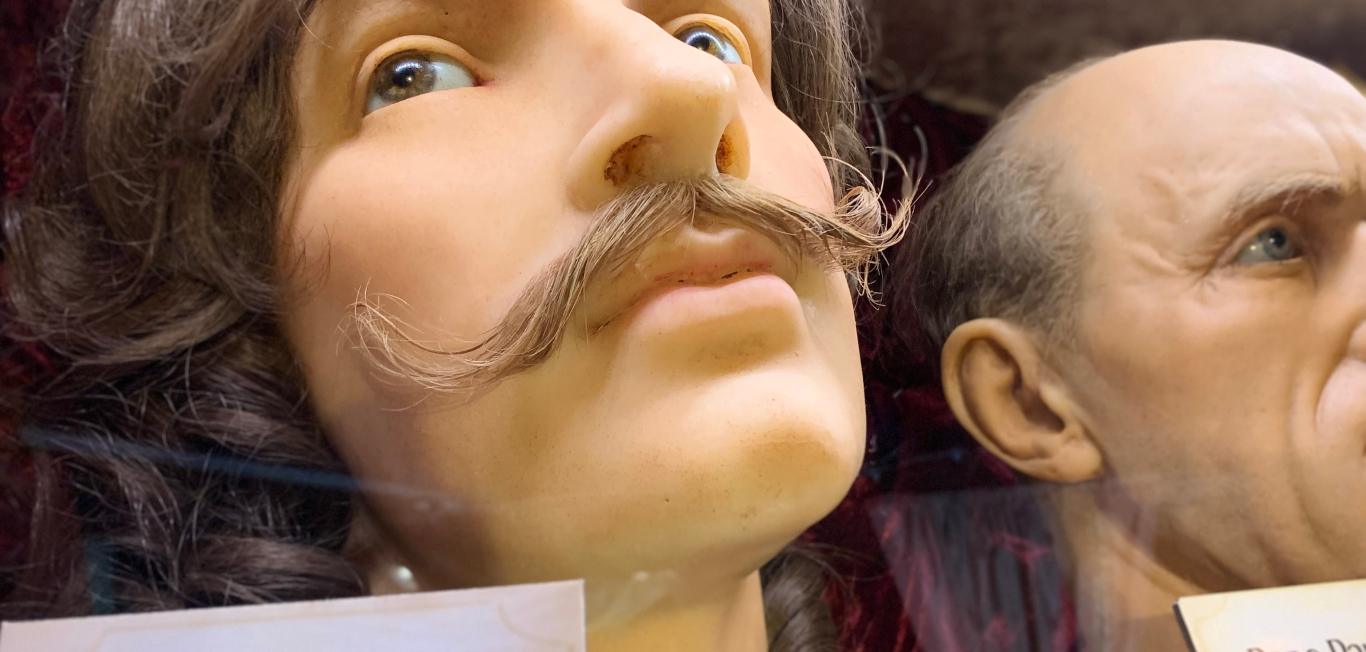
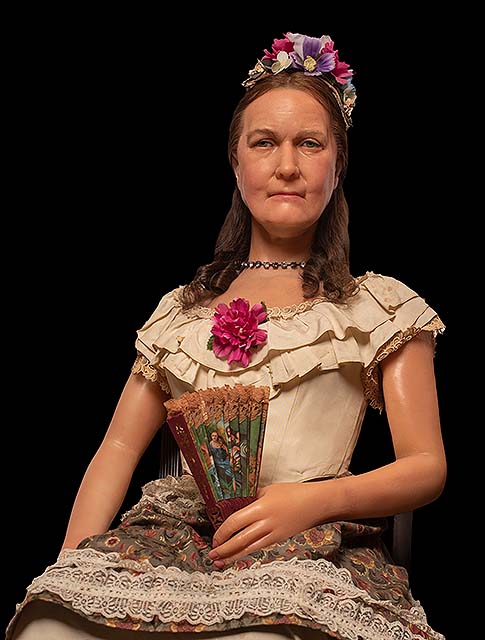
Visitors to St. Augustine’s Museum, Potters Wax Museum, will encounter a lifelike figure of Mary dressed in formal First Lady attire, complete with the kind of detail that makes you pause and look twice. These museum exhibits help tell her story in an engaging, human way, allowing guests to reflect on both the beauty and sorrow that defined her life.
This Mary Todd Lincoln biography examines her early life, influential role in the Lincoln presidency, lasting historical impact, and the deeply human struggle that unfolded in her final years.
DID YOU KNOW?
Mary suffered the deaths of three of her four children and witnessed the assassination of Abraham Lincoln.
Early Life of Mary Todd Lincoln
Mary Ann Todd was born on December 13, 1818, in Lexington, Kentucky, a city then known as the “Athens of the West” for its culture and education. She grew up in an affluent household, the daughter of Robert Smith Todd, a successful businessman and politician. This privileged upbringing provided her with early exposure to intellectual discussion, literature, and refined social customs — elements that would later influence her as Mary Todd Lincoln, First Lady.
Her childhood, however, was not without emotional challenges. When Mary was six, her mother died, and her father remarried. Though the family remained prosperous, the blended household was complex and sometimes strained. Yet Mary excelled in her education, attending the elite Shelby Female Academy, where she studied French, literature, drama, and social etiquette. These accomplishments were unusual for women of her time and played a strong role in her future public life.
In the 1830s, Mary moved to Springfield, Illinois, where she lived with her sister. It was here that she met Abraham Lincoln — a rising lawyer known for his sharp intellect and distinctive humor. Their courtship was marked by intellectual connection and emotional complexity, but in 1842, they married. Their union would shape the course of Mary Todd Lincoln’s history and America itself.
Mary became an essential support to her husband’s political career. She advised him, encouraged him, and understood the stakes of political leadership. When Abraham Lincoln was elected President in 1860, Mary entered the White House not just as a symbolic figure but as an active participant in the life of the nation.
Interesting Facts About Mary Todd Lincoln
Exploring Mary Todd Lincoln’s facts provides deeper insight into her personality, environment, and legacy.
Mary was fluent in French and well-versed in classical literature — rare accomplishments for women of her era.
She had a keen interest in fashion and interior design, which influenced the renovation of the White House during her time as Mary Todd Lincoln, First Lady.
She was passionate about politics and often engaged in strategic discussions with her husband.
Mary experienced profound personal tragedy, losing three of her sons and her husband in moments that shaped her emotional life.
Her role has been re-examined in modern scholarship, revealing a more nuanced understanding of her mental health and grief.
At Potter’s Wax Museum, her figure is shown in a formal gown, reflecting the elegance she brought to White House society.
Visitors to the St. Augustine Museum can learn about her cultural influence on American social life during the Civil War.
Major Milestones and Accomplishments by Mary Todd Lincoln
Mary Todd Lincoln, the First Lady, played a significant role in shaping the nation’s cultural and political landscape during the Civil War. She believed the White House should serve as a symbol of national unity and sophistication, even in times of crisis. Her renovation of the White House included acquiring fine furnishings, art, and decorative elements — efforts sometimes criticized but historically significant in elevating the symbolic power of the presidency.
Mary was deeply involved in supporting Union soldiers and advocating for wounded veterans. She visited hospitals, provided aid to families, and wrote letters expressing sympathy and encouragement. These humanitarian efforts form key elements of Mary Todd Lincoln’s history.
She also supported her husband’s political work, offering insight and emotional grounding during some of the nation’s darkest moments. Her understanding of public sentiment and political image helped strengthen the administration’s presence during wartime.
Mary’s legacy also includes her role in shaping national mourning rituals. After Abraham Lincoln’s assassination in 1865, Mary helped determine the funeral arrangements and national mourning period, establishing patterns still used today when honoring presidents.
These contributions remain essential to Mary Todd Lincoln’s legacy and impact on American history.
DID YOU KNOW?
Mary visited hospitals, provided aid to families, and wrote letters expressing sympathy and encouragement.
Late in Life
After witnessing the assassination of Abraham Lincoln, Mary’s life changed irreversibly. The grief of losing her husband — and the earlier deaths of three sons — deepened her emotional suffering. Public opinion was often harsh toward her, and misunderstandings about mental health shaped public perception.
In 1875, her surviving son, Robert, initiated legal proceedings to have her committed to a mental institution, believing she was incapable of caring for herself. This event remains one of the most debated parts of Mary Todd Lincoln’s history. Mary was later released and spent her remaining years traveling and seeking treatment. She lived for a time in Europe, then returned to Springfield, where she died on July 16, 1882.
Today, St Augustine’s Potter’s Wax Museum helps visitors understand not only her tragedies but also her resilience and cultural influence.
FAQs
How did Mary Todd Lincoln die?
Mary died on July 16, 1882, at the home of her sister in Springfield, Illinois. Her death resulted from a stroke. In her later years, she experienced ongoing health issues and emotional struggles linked to multiple family tragedies, which shaped how historians understand her life story.
Where was Mary Todd Lincoln born?
Mary Todd Lincoln was born in Lexington, Kentucky. Her upbringing in a prominent and politically active family influenced her education, worldview, and future role as Mary Todd Lincoln, First Lady.
What happened to Mary Todd Lincoln after Abraham Lincoln’s assassination?
After witnessing her husband’s assassination, Mary suffered profound grief. She left Washington, lived privately, and later faced legal proceedings regarding her mental health. She spent her final years traveling and living with relatives.
What was Mary Todd Lincoln diagnosed with?
Historians believe Mary experienced severe depression and post-traumatic stress resulting from multiple personal tragedies. Her diagnosis has been re-evaluated in modern scholarship, contributing significantly to Mary Todd Lincoln’s studies.
What happened to Mary Todd Lincoln’s children?
Mary lost three of her four sons to illness. Only her son, Robert Todd Lincoln, survived into adulthood. These family tragedies deeply impacted Mary’s emotional and psychological well-being.