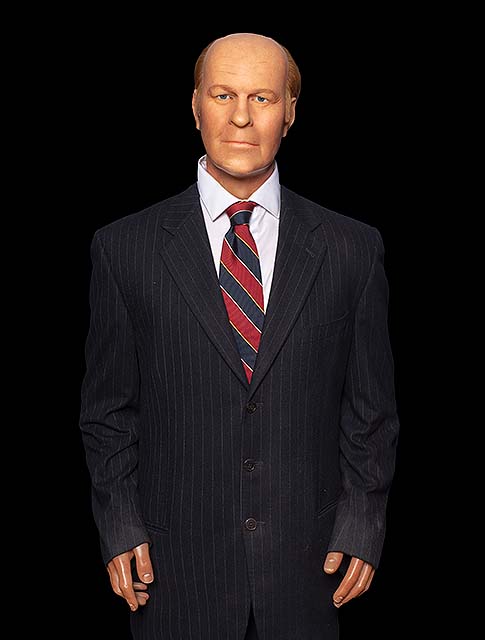
Biography of Gerald Ford
The 38th President of the United States, Gerald Ford, assumed Office during a moment of profound national instability. In the wake of scandal, he worked to reshape the narrative of American leadership. Ford is the only person to serve as both Vice President and President without winning a national election. President Gerald Ford represents one of the most unusual and significant transitions in American political history. This Gerald Ford biography notes how his pragmatic demeanor, moral steadiness, and athletic background distinguished him from many of his contemporaries. Although he is frequently described as an “accidental president,” that phrase does little to encapsulate the profound impact Gerald Ford had in restoring confidence in the presidency during a period of widespread disillusionment.
President Gerald Ford assumed Office in August 1974, following the resignation of Richard Nixon, whose administration had been engulfed by the Watergate scandal. The Gerald Ford Administration served as a symbolic pivot point during which the United States sought stability, clarity, and institutional recovery. Ford’s decision to pardon Nixon just one month after taking Office remains among the most debated Gerald Ford facts in American history. The moment reflected Ford’s controversial conviction that reconciliation must occur quickly. Before that decision was made, it appeared the nation was further consumed and fueled by political vendettas. Although the pardon contributed to his political defeat in the 1976 election, many historians argue it stands among the most courageous of Gerald Ford’s accomplishments during his presidency.
Gerald Ford’s biography is also significant because it highlights a life shaped by unexpected turns, along with a complex personal history. Born as Leslie Lynch King Jr., Ford’s early experience with domestic instability led to a name change, a new family identity, and a powerful drive toward finding consistency within his life. His athletic success at the University of Michigan, where he became a nationally recognized football player, shaped his broader public image long before Gerald Ford’s administration began. Throughout his presidency, Ford’s “Midwestern straightforwardness” and focus on unity contrasted sharply with the political world of his time.
DID YOU KNOW?
Gerald Ford was born as Leslie Lynch King Jr.
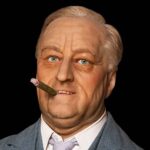
Today, President Gerald Ford is remembered at institutions such as St. Augustine’s Potter’s Wax Museum, where exhibits and life-like wax figures prompt visitors to examine the legacy of leadership throughout history. This museum highlights Gerald Ford’s facts and accomplishments. Gerald Ford’s history continues to attract public attention, particularly among students studying 1970s American political history, because of his emphasis on bipartisanship and national healing. The story of Gerald Ford is not merely the record of a presidency but the story of a nation attempting to reconcile its ideals with its political reality.
Early Life of Gerald Ford
The early years of Gerald Ford’s history reveal a life dramatically different from the public image that would later define him. He was born Leslie Lynch King Jr. on July 14, 1913, in Omaha, Nebraska. His father was abusive, and Ford’s mother fled when he was only a few weeks old. When she remarried Gerald Rudolff Ford, her son was renamed Gerald Ford. This decision became central to the later narrative found in most Gerald Ford biographies. While Ford was never legally adopted, he assumed his stepfather’s name out of respect.
Ford grew up in Grand Rapids, Michigan, a place that shaped his disciplined personality. Throughout his school years, he excelled both academically and athletically, particularly in football. At the University of Michigan, Ford played as a center and linebacker, becoming team captain and winning national titles. Athletic achievement remains one of the most widely cited Gerald Ford facts – illustrating his early commitment to teamwork, loyalty, and perseverance. Although he received numerous offers from the NFL, Ford declined, choosing instead to enroll at Yale Law School, where he earned his degree in 1941.
The early chapters of Gerald Ford’s life also include his military service during World War II, where he served as a naval officer in the Pacific Theater. Military experience became foundational to Gerald Ford’s identity. His time spent protecting our country only reinforced his sense of duty and civic responsibility for the United States of America. The values he developed during this period would later shape key decisions within the Gerald Ford Administration – including military spending, foreign policy, and congressional cooperation.
Interesting Facts About Gerald Ford
President Gerald Ford was the only President and vice president who was never elected to either Office.
One of the most notable Gerald Ford facts is his background as a gifted athlete who turned down professional football contracts to pursue law and public service.
Ford survived two assassination attempts within 20 days in 1975. These dramatic and violent moments within Gerald Ford’s history illustrated the volatile mood of the decade.
He lived to be 93 – making him the longest-lived U.S. president at the time of his death.
Visitors can find a wax sculpture of President Gerald Ford at the St. Augustine Museum, Potter’s Wax Museum.
Major Milestones and Accomplishments by Gerald Ford
Many of Gerald Ford’s accomplishments are from overcoming crisis throughout his presidency. The Gerald Ford Administration inherited a nation fractured by the Watergate scandal, which caused economic instability and widespread distrust in government. Ford’s leadership sought to restore transparency and constitutional confidence. One of the most controversial decisions in his presidency was the pardon of Richard Nixon. During the country’s emotional turmoil, this event was Ford’s attempt to unite the nation. Although the decision led to a significant drop in his overall approval ratings, Ford maintained his stance that ending legal proceedings was essential to the nation’s recovery.
DID YOU KNOW?
The Gerald Ford Administration inherited a nation fractured by the Watergate scandal.
President Gerald Ford also dealt with severe economic turmoil, including inflation, recession, and unemployment. In an attempt to mobilize the public toward economic responsibility, Ford created the “Whip Inflation Now” campaign. Unfortunately, it was not successful. The Gerald Ford Administration also oversaw the Helsinki Accords, which was an agreement that strengthened U.S.–Soviet relations and emphasized human rights. This remains as one of President Gerald Ford’s most significant international achievements. Domestic constraints shaped Ford’s presidency as he faced a heavily Democratic Congress reluctant to endorse his policies. Despite this, Gerald Ford still came across as a leader who prioritized stability over political gain. This resulted in making decisions that often came at a high political cost.
Late in Life
After losing the 1976 election to Jimmy Carter, President Gerald Ford retired to Palm Springs, where he remained a respected public figure. His later years were occupied with lectures, diplomacy, and advisory roles. Ford continued to receive honors for his integrity and was awarded the Presidential Medal of Freedom in 1999. President Gerald Ford died on December 26, 2006, at age 93, closing a chapter on one of the most unusual and consequential presidencies in American history.
FAQs
How did Gerald Ford become President of the United States?
Gerald Ford became President through succession rather than election. After Vice President Spiro Agnew resigned, Ford was appointed to the Office. Then Nixon resigned the presidency, and Ford automatically succeeded him. This made him the only person to serve as both Vice President and President without winning either Office by vote.
How did Gerald Ford get his name?
Gerald Ford was born Leslie Lynch King Jr., but his name changed when his mother remarried Gerald Rudolff Ford. Although never legally adopted, he assumed his stepfather’s name, which symbolized emotional distance from his birth father and a new family identity deeply rooted in Midwestern values.
What role did Gerald Ford play in the Watergate scandal?
President Gerald Ford assumed Office immediately after Nixon resigned due to Watergate. His most controversial decision was pardoning Nixon. Although the intent was to help the nation heal, it was a highly criticized decision. The decision remains one of the defining Gerald Ford facts of his administration, reflecting his focus on resolution over retribution.
What were Gerald Ford’s undergraduate achievements?
Gerald Ford attended the University of Michigan, where he excelled both academically and athletically. He served as team captain and became a nationally respected football player. Despite offers to play professionally, Ford chose law school.
What were the conditions of Presidential Proclamation 4313?
The Presidential Proclamation 4313 acknowledged Nixon’s resignation and confirmed the transfer of executive power. This Proclamation was a constitutional marker of the most dramatic succession in U.S. history; it shaped both the legal and symbolic beginning of the Gerald Ford Administration.