Top Reasons to Visit St. Augustine, FL
As far as attractions go, Potter’s offers great value. Unlike any attraction of its kind, it is housed inside the oldest pharmacy in the United States. This is the oldest wax museum in the country and there are a wide variety of figures to examine ranging from Roman Centurions to celebrities, athletes and political leaders. There is even a section devoted to horror movies! There is a good chance that an artist will be on site to show you the workstation where all the magic happens.
Visit us after hours with Ghosts & Gravestones St. Augustine for an extra spooky experience – Potter’s Wax Chamber of Horrors.
Why You Should Visit St. Augustine
St. Augustine is a city that feels alive with history and character. Known as the Nation’s Oldest City, it holds nearly five centuries of stories within its cobblestone streets and waterfront views. When you visit St. Augustine, you can see traces of Spanish explorers, British settlers, and American pioneers all in one place. The mix of historical charm, scenic beauty, and local hospitality makes it one of Florida’s most unforgettable destinations.
A visit to St. Augustine offers something for every traveler. You can walk through centuries-old forts, explore grand buildings from the Gilded Age, or simply sit along the bayfront and enjoy the view. The city’s size makes it easy to explore without rushing. Most major sites are within walking distance, and even a short stroll will bring you to a café, gallery, or museum.
What Are the Most Important St. Augustine Landmarks?
Every corner of this city tells a story, and many of those stories are preserved in its famous St. Augustine landmarks. These sites show how different cultures shaped the city over time and how their legacies remain part of daily life today.
The Castillo de San Marcos is one of the most famous St. Augustine landmarks and one of the oldest forts in North America. Built by the Spanish in the late 1600s, its thick coquina walls have stood for centuries. Walking through its corridors gives you a real sense of the city’s long and complex history. The fort overlooks Matanzas Bay, offering beautiful views of the water and the skyline beyond. Inside, you can explore the old rooms, learn about early battles, and even see demonstrations of cannons and muskets by uniformed guides.
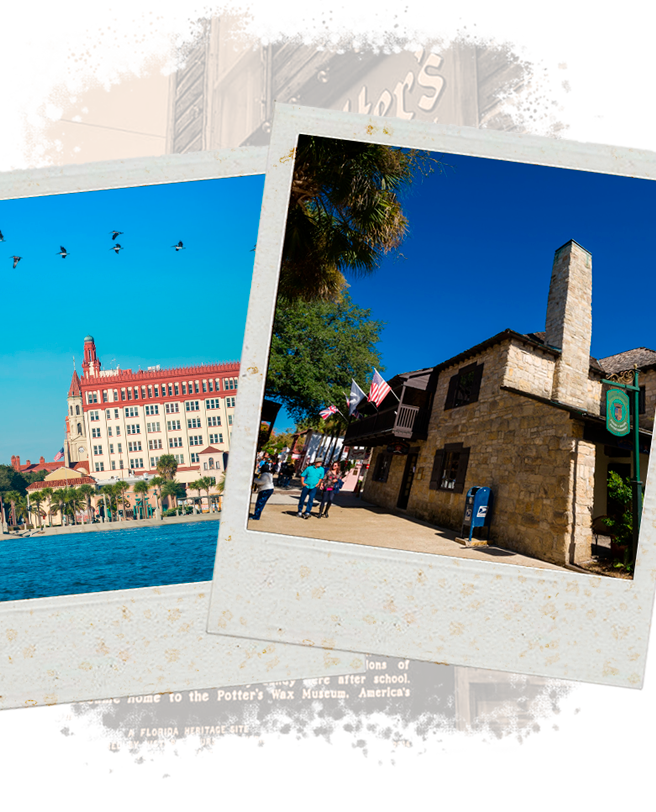
Another major site worth visiting is Flagler College, a stunning example of Gilded Age architecture. The college began as the luxurious Ponce de Leon Hotel, built by Henry Flagler in 1888. When you visit St. Augustine, it’s easy to spot this landmark with its grand arches, red tile roofs, and ornate details. Tours of the campus reveal rooms filled with stained glass, hand-carved woodwork, and murals that reflect a time of elegance and innovation.
Just across the street stands the Lightner Museum, another highlight among St. Augustine landmarks. The museum sits inside the former Alcazar Hotel, which once entertained wealthy travelers from across the country. Inside, you’ll find exhibits that include antique furniture, glass art, and fascinating artifacts from the 19th century. The museum’s open courtyard features fountains, palm trees, and archways that make it a peaceful stop during your visit. Each of these St. Augustine landmarks offer a different glimpse into the city’s past, from military defense to artistic achievement.
What Are the Best Walkable Things To Do When You Visit St. Augustine?
One of the best parts about a trip here is how easy it is to get around on foot. You’ll find that the historic district is designed for walking, with narrow streets, hidden courtyards, and beautiful old buildings around every corner.
The heart of the historic district is St. George Street, a pedestrian-only walkway filled with shops, restaurants, and landmarks. It’s a must-see when you visit St. Augustine because it brings together so many of the city’s attractions in one place. You can browse local boutiques, taste homemade fudge, or step into small museums that explain the city’s early years. Street performers often fill the air with music, and the scent of fresh coffee or baked bread drifts from nearby cafés.
As you wander, you’ll pass several St. Augustine landmarks like the Oldest Wooden School House and the Colonial Quarter. These sites give a sense of what life was like centuries ago. The buildings are close together, and the shaded alleys make walking pleasant even on warm days. The entire area feels welcoming, with friendly locals ready to share a story or recommend a hidden gem.
Make sure to spend some time just exploring without a plan. Sit on a bench near the bay, enjoy an ice cream under the palm trees, and listen to the sounds of the city around you. This slow, relaxed rhythm is part of what makes St. Augustine special and why visitors return again and again.
What Are the Most Unique Cultural Landmarks To Visit in St. Augustine?
The city’s creative and cultural side comes to life through its museums and historic homes. These places reveal another layer of the city’s story, showing how art, imagination, and history come together in unexpected ways.
One of the most memorable attractions is Potter’s Wax Museum, the oldest wax museum in the United States. This museum is located inside the country’s oldest pharmacy building, which already makes it one of the most fascinating St. Augustine landmarks. Inside, visitors can see hundreds of lifelike wax figures, each carefully crafted to look as real as possible. Historical figures like Abraham Lincoln and Benjamin Franklin stand alongside cultural icons such as Marilyn Monroe, Michael Jordan, and Taylor Swift. Every figure is created with precise attention to detail, from facial expressions to clothing textures, giving the museum a sense of personality and wonder. The museum’s founder, George L. Potter, wanted people to learn through art, and his vision continues to inspire visitors today.
Those who enjoy ghost stories and local legends can add even more excitement to their visit. The museum is part of the Ghosts & Gravestones® after-hours experience, which gives guests access to the Chamber of Horrors. Guides share eerie tales about unexplained happenings and mysterious events that make this one of the most talked-about nighttime activities when you visit St. Augustine.
Villa Zorayda is another must-see stop, a historic house museum that captures the luxury and artistry of the late 1800s. Built in 1883 by Franklin W. Smith, the home is modeled after Spain’s Alhambra Palace and features intricate Moorish-style design. The walls and ceilings are covered in geometric patterns, colorful tiles, and hand-carved woodwork. Inside, the collection includes art and antiques gathered from around the world. Visitors can see Egyptian relics, elaborate Oriental rugs, and handcrafted furniture that belonged to the home’s early owners. Villa Zorayda has become one of the most visually stunning St. Augustine landmarks and offers a rare look into the creativity of the city’s Gilded Age residents.
Exploring places like Potter’s Wax Museum and Villa Zorayda shows that history in St. Augustine isn’t limited to forts or monuments. It’s alive in its architecture, collections, and stories that continue to inspire people who visit St. Augustine year after year.
Why Should You Visit St. Augustine Now?
There are few places in the country with as much character and depth as St. Augustine. Every street, building, and shoreline reflects a different part of its nearly 500-year story. When you visit St. Augustine, you experience a city that honors its past while offering new things to discover each day.
Walking through the historic district, you can see how much effort has gone into preserving these remarkable St. Augustine landmarks. The Castillo de San Marcos stands proudly along the waterfront, telling the story of centuries of defense and exploration. Flagler College and the Lightner Museum share the artistry and elegance of the Gilded Age. Potter’s Wax Museum and Villa Zorayda add their own layers of creativity and cultural beauty. Together, these landmarks capture the spirit of the city and the many people who have helped shape it.
FAQs
Q1. How long should I plan to visit St. Augustine to see the main St. Augustine landmarks?
When you visit St. Augustine, plan to spend at least two full days exploring the historic district and its most popular landmarks. The compact layout makes it easy to see several sites in one area, including the Castillo de San Marcos, Flagler College, and the Lightner Museum. Many visitors also enjoy walking along St. George Street, relaxing by the waterfront, and visiting Potter’s Wax Museum. Spending a weekend allows you to experience both the history and culture that define the city. If you have extra time, you can uncover even more hidden courtyards, shops, and local restaurants that make every visit to St. Augustine unique.
Q2. Is St. George Street free to walk and explore when I visit St. Augustine?
Yes, St. George Street is free to explore and is one of the highlights for anyone planning to visit St. Augustine. The pedestrian-only walkway runs through the heart of the historic district and is filled with shops, restaurants, and historical sites. Many of the most beloved St. Augustine landmarks are located nearby, making it easy to see a lot in one place. You can listen to live music, browse small boutiques, or grab a bite from a café with outdoor seating. The energy of St. George Street perfectly captures why so many travelers love to visit St. Augustine year after year.
Q3. Which St. Augustine landmark is the oldest in the city?
The Castillo de San Marcos is the oldest and most significant of all St. Augustine landmarks. Built by the Spanish between 1672 and 1695, the coquina fortress still overlooks Matanzas Bay today. When you visit St. Augustine, exploring the Castillo is like stepping into the city’s earliest years. Visitors can walk through the interior rooms, climb to the upper deck, and learn from park guides about the soldiers who once defended the city. The fort’s long history and impressive condition make it one of the most memorable sites for anyone visiting the Nation’s Oldest City.
Q4. Are any St. Augustine landmarks located near the water?
Yes, many St. Augustine landmarks are close to the water, creating beautiful scenery throughout the historic district. The Castillo de San Marcos sits right along Matanzas Bay, offering incredible views of sailboats and passing trolleys. The Bridge of Lions is another must-see for visitors who want to enjoy a peaceful walk with views of the bayfront. When you visit St. Augustine, the waterfront areas are perfect for photos, sunset views, or simply taking a break by the breeze. Restaurants and parks line the shoreline, adding even more charm to the experience.
Q5. Can I visit St. Augustine without a car?
Yes, it’s easy to visit St. Augustine without needing a car. The historic district is compact, and most St. Augustine landmarks are within walking distance of each other. For travelers who prefer a guided experience, Old Town Trolley Tours® offers a relaxing and informative way to explore the city. The trolleys make frequent stops at major attractions, including Potter’s Wax Museum, the Lightner Museum, and the Castillo de San Marcos. You can hop on and off throughout the day, learning about the history of the city from friendly and knowledgeable guides.